
Top

Graduation Spotlight

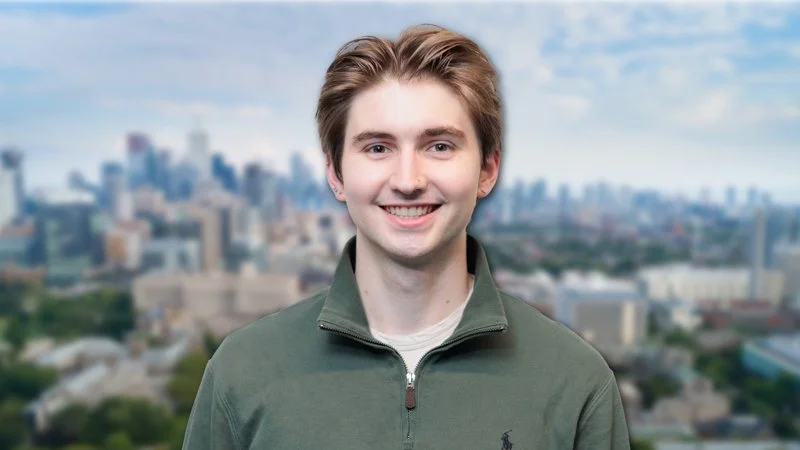
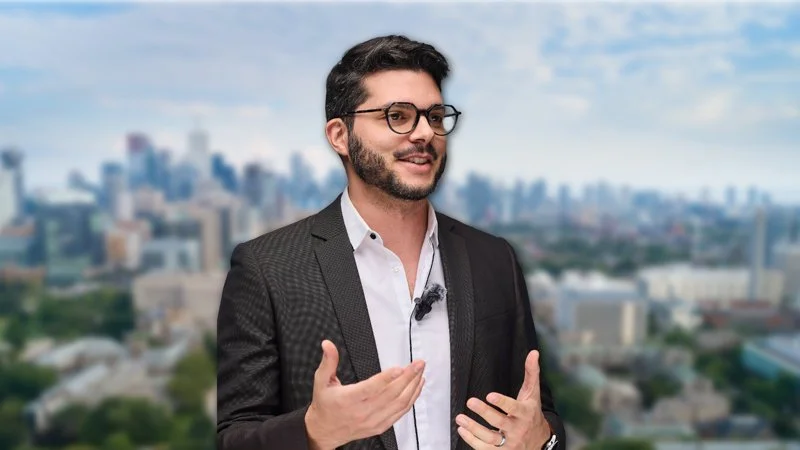
Graduation Spotlight: Fernando Yánez

Fernando Yánez
PhD direct entry in Computer Science

While completing his PhD in computer science at the University of Toronto, Fernando Yánez built more than a research experience — he built a startup. Driven by a desire for independence and impact, he embraced entrepreneurship midway through his program, learning through failed ventures and major setbacks.

Now, he is focused on reimagining information management, shaped by his work in AI and human-computer interaction.

This Q&A has been edited for clarity and length.

You took an unconventional path by building a company alongside your PhD. What inspired you to pursue entrepreneurship at this stage?

I entered my PhD planning to pursue a career in academic research. While I enjoyed teaching and had many opportunities as a TA and course instructor, I realized I was craving the independence to work on something challenging enough to keep me up at night, which I wasn't getting as a developer at Microsoft.

Midway through the program, I saw my path align with my dad's footsteps and chose to embrace entrepreneurship and learn as much as possible. I built several things at U of T, and most did not work out. Eventually, I landed on something I truly believe in — something I think will revolutionize the world and the way we manage information.

Your journey included major setbacks, including restarting your PhD. How did that experience shape your perspective on success and resilience?

My PhD journey included major setbacks. I switched advisors, reframed my research focus, faced rejection from internships and papers, and went through four failed ventures. What kept me going was confidence in myself and my potential.

Those experiences reminded me that even if I did not yet have what it takes, or my methods didn't fit others' expectations, that was not a reason to quit.

Resilience is crucial, especially in fast-changing fields like computer science.
— Fernando Yánez

We will face rejection and closed doors, but we can choose to keep growing and learning. Over time, success becomes a byproduct of that process.

Having built your path across countries and systems, what does “creating your own opportunities” mean to you now?

To me, creating your own opportunities means positioning yourself so you can grasp opportunities that might otherwise not be available. I learned that the hard way.

Growing up in a failed country, I realized I needed to actively place myself in situations where I could show who I am and how I stand out rather than waiting for others to notice me. The more you do it, the more you build that muscle. You learn how to clearly demonstrate your value, and that is what unlocks opportunities that might otherwise feel out of reach.

What first drew you to computer science, and what led you to pursue it at the graduate level?

I have always been academically inclined, with a special interest in math and programming. From a young age, I knew I wanted to pursue a PhD.

When it came time to apply to grad school, a PhD in computer science at the University of Toronto felt like the best opportunity. The program’s connection to advances in machine learning and artificial intelligence made it the right fit for me.

What are you most proud of accomplishing during your time at U of T — whether in your research, collaborations or academic journey?

I am most proud of gaining clarity about where I want to go, what I want to do and what it takes to get there. That clarity helped me focus on what really matters and allowed me to complete a five-year program in four and a half years, even counting one "lost year" after changing advisors and research directions.

That sense of conviction in myself and my future is what I value most. It gave me the confidence to act and accomplish things I would not have otherwise achieved.

What’s next for you, and how do you see your work in computer science shaping that path?

Well, the reality is that computer science is at the centre of everything I am doing. I am building a tech startup that reimagines how information is managed worldwide.

My experience with human-computer interactions and AI from my PhD program shapes this work and informs my vision for the future of document and information management. That is what I am building toward.

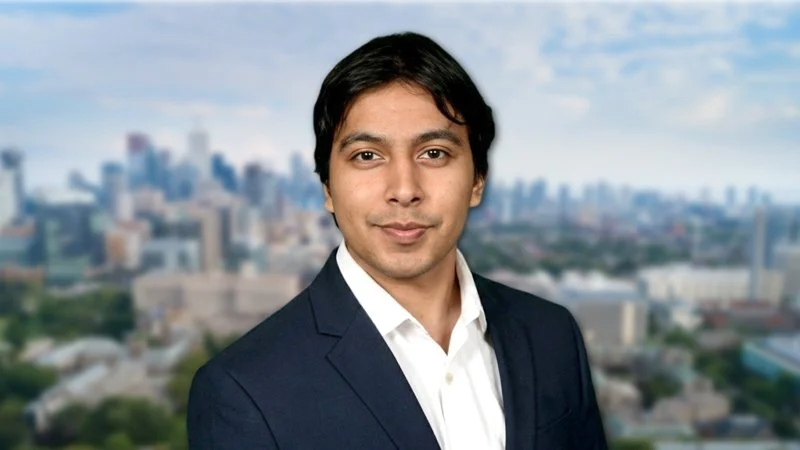
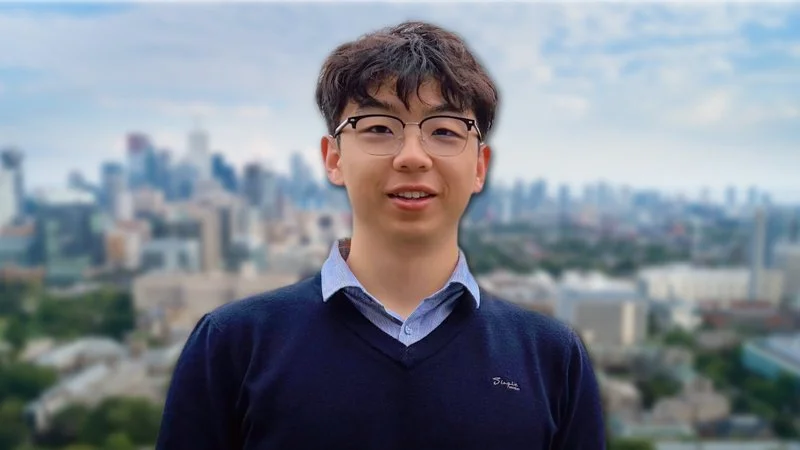
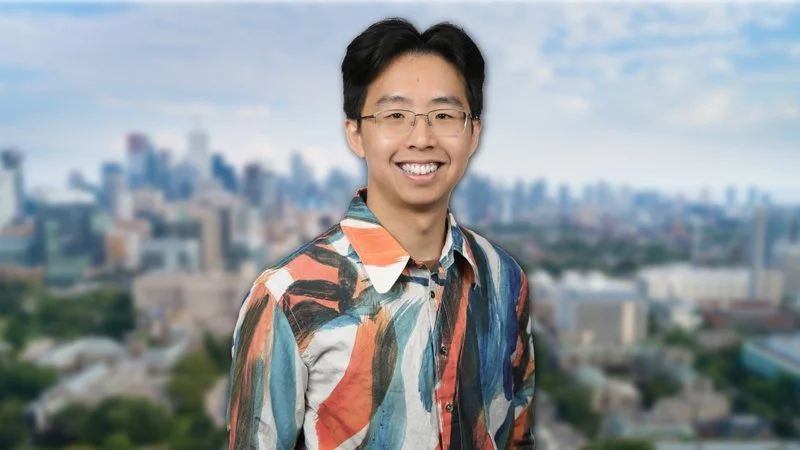
Graduation Spotlight: Bingjian Huang

Bingjian Huang
PhD in Computer Science
Interests: human-computer interaction, robotics, haptics

Binjian Huang brings together haptics, robotics and human-computer interaction to build technologies that connect human perception with machines.

During his PhD at the University of Toronto, he developed VibraForge, an open-source toolkit now used by research labs around the world. As he graduates, Huang reflects on the value of interdisciplinary thinking and creating work that extends beyond the lab.

This Q&A has been edited for clarity and length.

Your research spans haptics, robotics and wearable devices. What drew you to working across disciplines rather than within one area?

I genuinely believe the most interesting innovation happens when ideas from different fields collide.

I think of each field as a node, and I try to draw lines between them — connecting haptics, robotics and perception in ways that create something larger than any one area could on its own.

VibraForge has been adopted by researchers globally. What does it mean to see your work extend beyond your own lab?

For research to be truly impactful, it cannot stay a lab prototype. It has to become something people actually use.

Receiving both praise and critique from real users has been one of the most rewarding parts of my PhD. It keeps me honest and pushes me to continue improving the toolkit.

How did navigating a new language, culture and academic system shape your experience as a PhD student?

Toronto is a vibrant city, and its culture and diversity have shaped my experience. What I value most, though, is the people — my supervisors, lab mates and fellow students who made these years wonderful. Some of my favourite memories come from insightful conversations with professors and casual hangouts with friends.

What first drew you to computer science, and what led you to pursue it at the graduate level?

CS gave me both a tool and a mindset — the ability to learn other fields (EE, ME, neuroscience, you name it) and the confidence to build whatever I want.

CS trains students to be generalists, which matters more than ever in the AI era. It’s less about mastering a specific programming language and more about knowing what you want to create and which tools will help you get there.
— Bingjian Huang

What are you most proud of accomplishing during your time at U of T — whether in your research, collaborations or academic journey?

I am most proud of seeing my work grow beyond me. VibraForge started as a lab prototype and is now an open-source toolkit used by more than 20 labs worldwide, including MIT, EPFL, HKUST and Qualcomm XR. I've also mentored five undergraduate and master's students, several of whom went on to PhD programs at U of T, Princeton and NYU.

What's next for you, and how do you see your work in computer science shaping that path?

I'm finishing my PhD this year and currently interning at Meta Reality Labs, where I work on dexterous robot teleoperation with haptic feedback. Longer term, I plan to keep building at the intersection of human perception and embodied AI, making the loop between humans and machines feel more natural, whether in academia or industry.

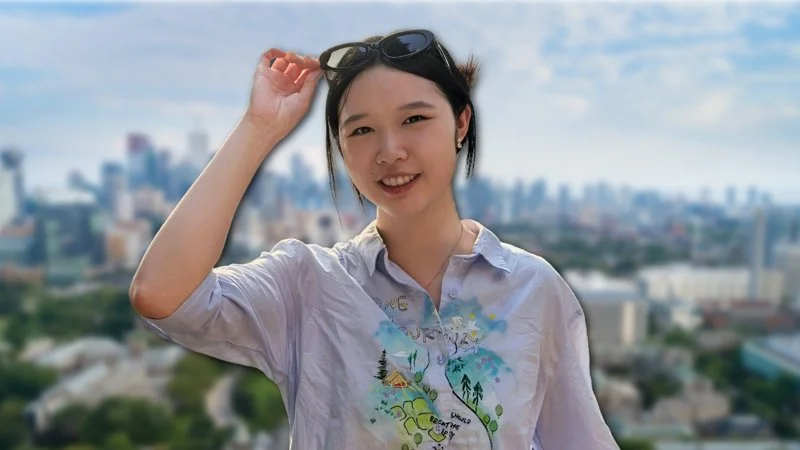
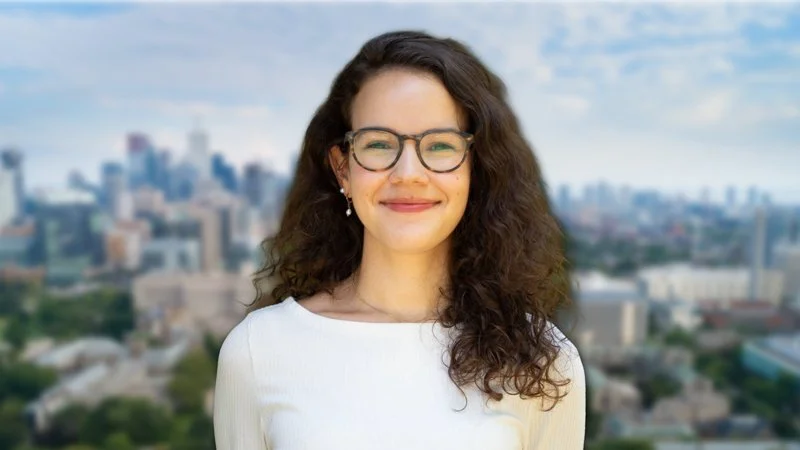
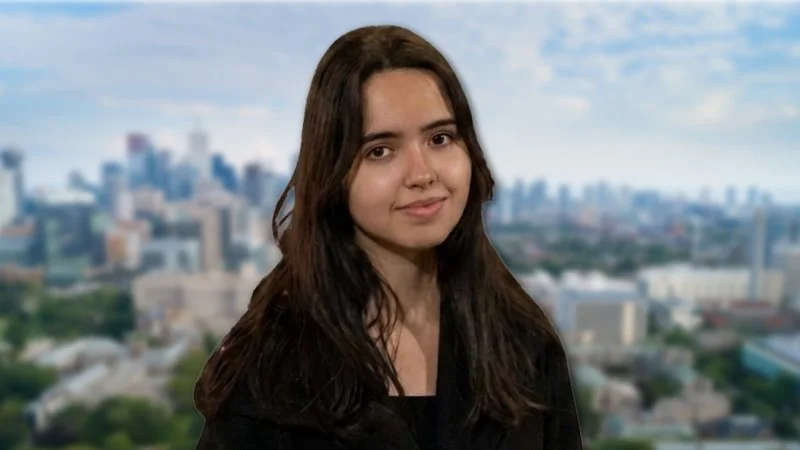
Graduation Spotlight: Kelly Zhu

Kelly Zhu
MSc in Computer Science

Kelly Zhu combines computer vision, robotics and AI to build systems that make complex phenomena visible. Her path to research began with a hands-on experience that sparked an interest in open-ended problem solving and grew into an MSc at the University of Toronto, where she worked across disciplines and explored applications in imaging and autonomous technologies.

Now, as she prepares to begin her PhD at Carnegie Mellon University, Zhu reflects on the impact of curiosity-driven work and the foundation it creates for what comes next.

This Q&A has been edited for clarity and length.

Your work brings together computer vision, robotics and AI. What do you enjoy most about working across these areas?

What I love most about working in computational imaging, computer vision and AI is the ability to visually see the impact of my work. There's something very exciting about capturing and visualizing phenomena through novel sensors and algorithms in ways that have not been done before.

You've received several awards during your MSc, including the Vector Scholarship in AI. How did those opportunities shape your experience?

During my MSc, I was very fortunate to receive several graduate scholarships, including OGS, QEII-GSST and the Vector Scholarship in AI. I appreciate the support they provided. They allowed me to focus on my research and gave me the confidence to make meaningful contributions to the field early in my graduate journey.

The Vector Scholarship also helped me connect with Ontario's AI community. Through the Vector Institute, I built many meaningful connections that I wouldn't have found otherwise.

Your research connects to real-world systems like imaging and autonomous technologies. What excited you most about seeing your work applied in practice?

What excites me most about working in imaging is knowing the systems we design can support many downstream applications, including autonomous technologies, scientific visualization, medicine and beyond. Exploring these applications during my MSc gave my work an interdisciplinary scope and allowed me to learn and collaborate across different fields.

Knowing that my research has the potential to contribute to real-world systems gives it a deeper sense of purpose and impact.

What first drew you to computer science, and what led you to pursue it at the graduate level?

After my first year of undergrad, I worked in a research lab at U of T on an autonomous bed-making robot. I loved the open-endedness of defining a research problem and navigating my own path to a solution.

That experience made it clear that I wanted to pursue research more deeply, so graduate school felt like a natural next step.

If you could give one piece of advice to a student considering graduate studies, what would it be and why?

Take advantage of the many research opportunities available over the summer. There are many incredible programs at the University of Toronto and abroad, and they offer a great way to explore academic interests beyond the classroom.
— Kelly Zhu

Some of my most meaningful undergraduate experiences came from those summers spent doing research, so I encourage students to not be afraid to apply broadly. Shoot your shot!

What are you most proud of accomplishing during your time at U of T — whether in your research, collaborations or academic journey?

I am most proud of the incredible network of friends, peers, collaborators and mentors I built during my time at U of T. My accomplishments throughout both my undergraduate and graduate studies would not have been possible without their support and guidance. It's inspiring to see the remarkable paths everyone goes on to build for themselves after graduation.

I'm also proud of the research skills I've developed along the way, which will serve as a strong foundation for whatever comes next.

What's next for you, and how do you see your work in computer science shaping that path?

This fall, I will start my PhD at Carnegie Mellon University. I look forward to continuing my research in computer vision and pushing the frontiers of what machines can perceive and understand.