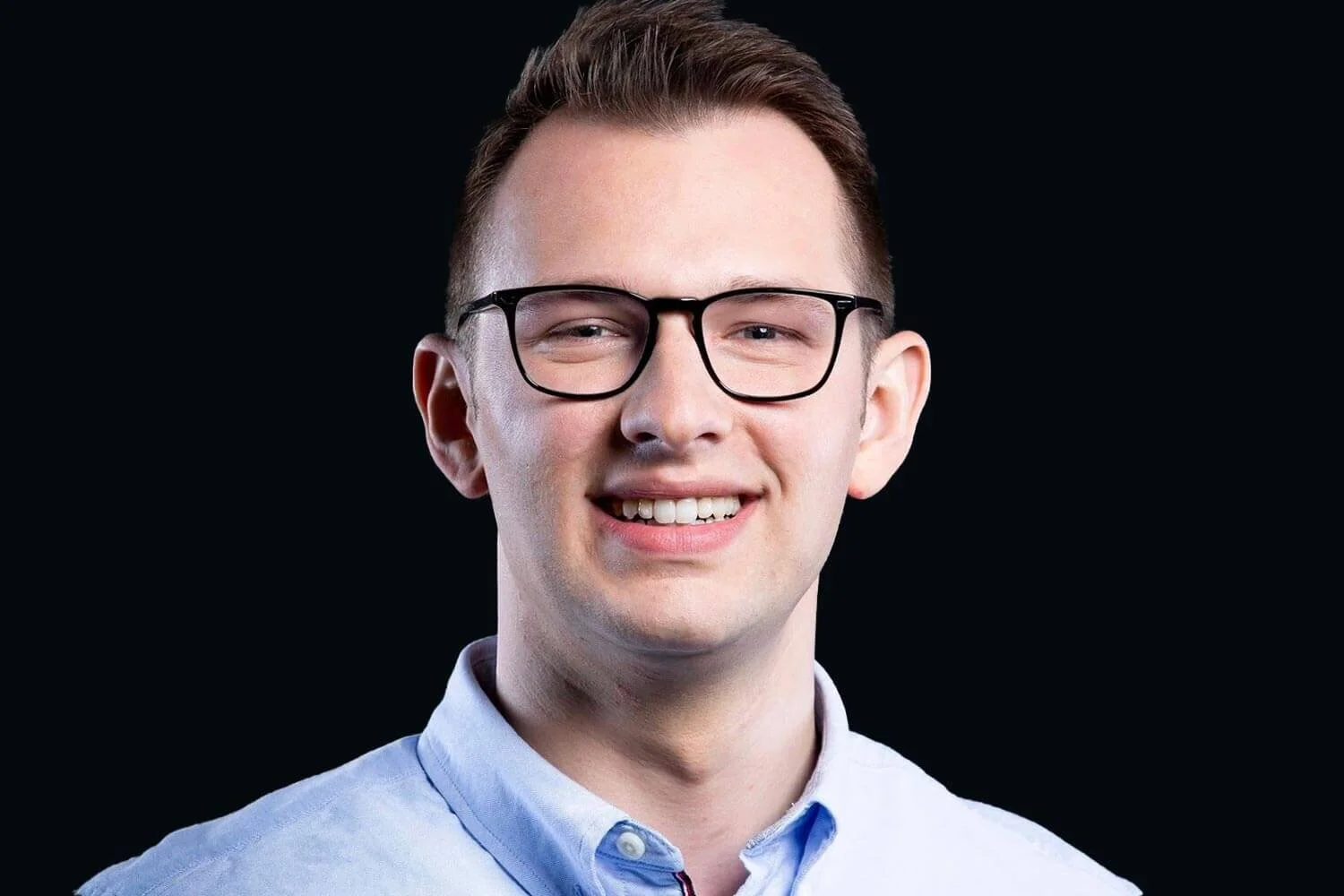
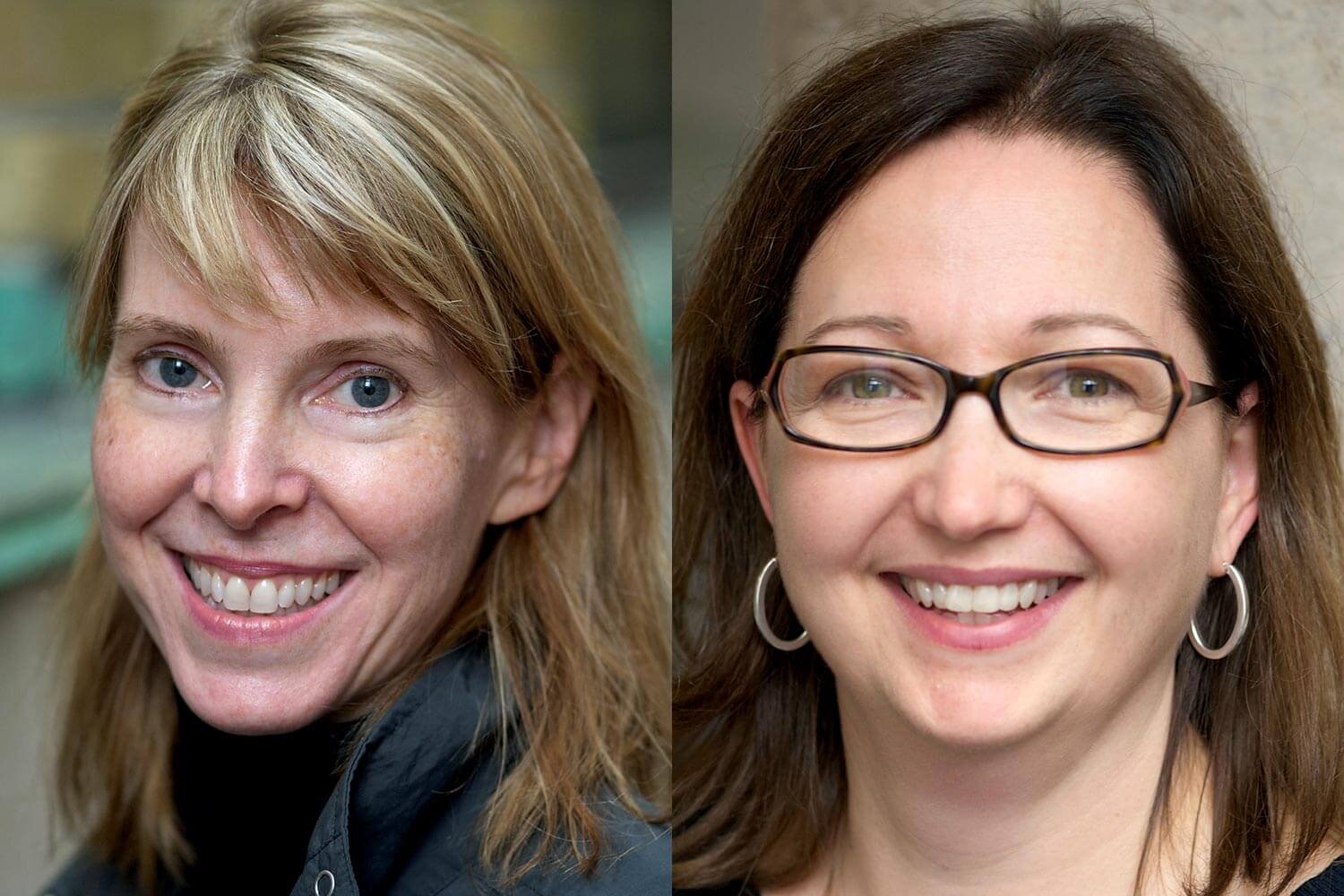
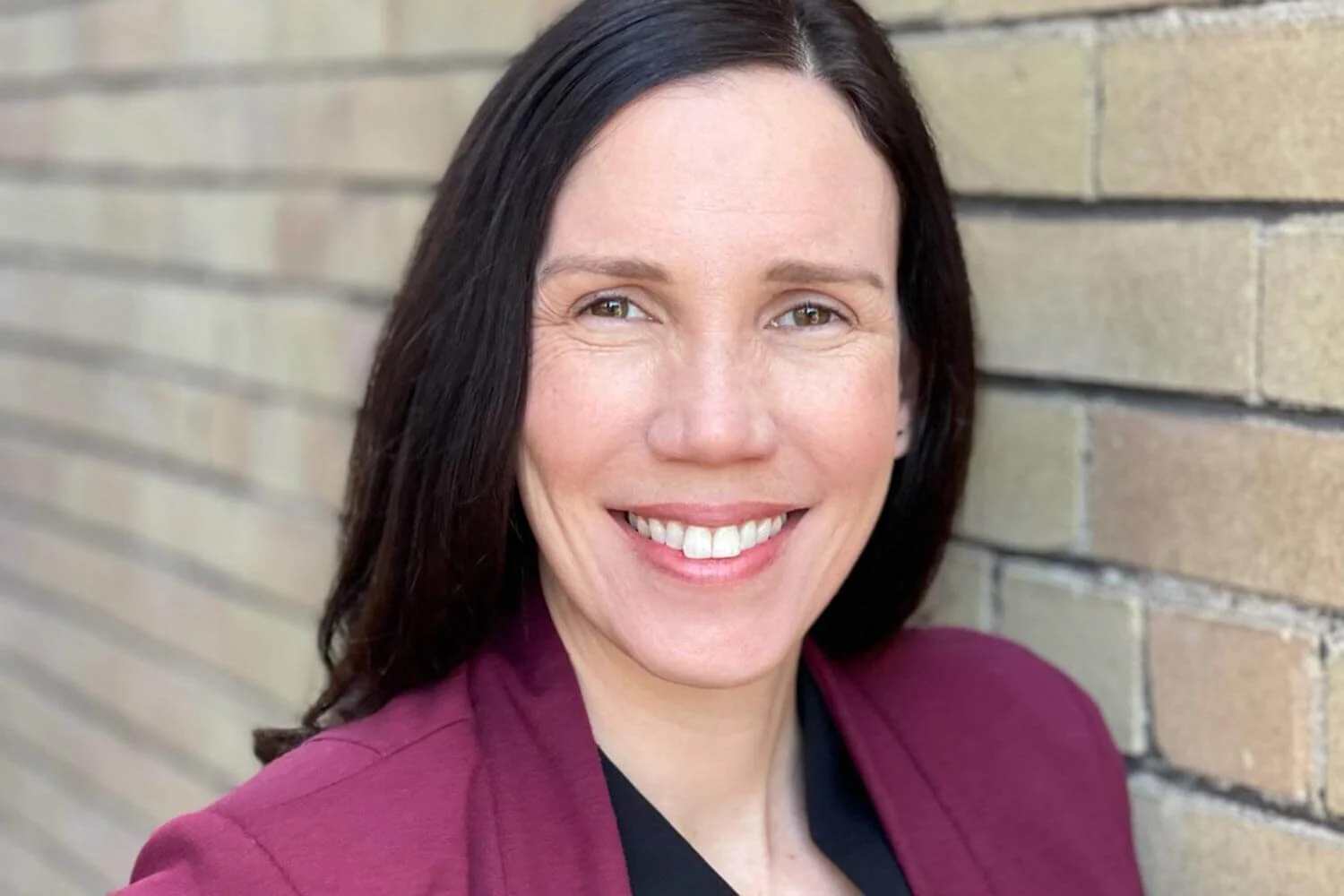
Assistant Professor Ashton Anderson and PhD student Isaac Waller developed a machine learning-based technique to analyze 5.1 billion comments posted on Reddit between 2005 and 2018.

Yanna Ding
Computer Science Major
Math Major
Trinity College
Why did you choose U of T for your undergrad?
I chose U of T because of its global academic impact. U of T has cultivated countless outstanding people who are changing the world in academia and industry. I admired their contribution and yearned to study in such an environment full of excellent people.
What inspired you to study computer science?
I have used a computer as a black box since I was in elementary school. I enjoyed the convenience brought by the computer without knowing its interior design. The intelligent computer systems and subtle algorithms have made a wealth of learning resources one search away. Besides study, I also love watching Pixar and Disney animation powered by computer graphics techniques. As computers became indispensable in my life, I decided to study computer science to uncover its mystery.
Who or what at U of T influenced your education the most?
The first-year linear algebra course introduced me to the elegance of mathematical reasoning. In the beginning, I seemed to follow the instructor in lecture. But when it came to solving problems myself, I didn’t know where to start.
To bridge my knowledge gaps, I spent more time reflecting on course materials after class. I asked myself questions such as: How did the proofs leverage the provided assumptions or conditions? How to associate a problem with its related knowledge? How to organize a formal mathematical proof? These questions wandered in my mind until I made sense of the theories and proofs.
In addition to self-studying, I reached out to my classmates and the instructor to exchange ideas, which helped me gain even more insights. The challenging problems designed by our instructor eventually helped me think through subtle relations among different concepts. This experience made me more confident in the face of challenges and difficulties during my life.
How did you get involved at U of T outside of your coursework?
I participated in extra-curricular events, such as the club fair and Backpack to Briefcase, through the Blue Crew organization and the CLN website. I built more connections and experienced U of T’s inclusive culture through these opportunities.
U of T provides ample opportunity for research. Thanks to this encouraging environment, I had the luck to collaborate with Professor Ishtiaque Ahmed and Professor Priyank Chandra and started my research journey. This rewarding experience further inspired me to pursue higher education in computer science.
What U of T memory do you treasure the most?
I recall moments sitting at a table near a glass window in the Robarts library. It was pleasant to read books in the afternoon when sunshine penetrated the window and fell on the page I was staring at.
If you could go back and give yourself one piece of advice at the start of your undergraduate degree, what would it be?
If I could go back, I would remind myself to be more proactive in life. Don’t hesitate to move outside of your comfort zone or change the status quo. Besides putting effort into coursework, making decisions such as choosing courses and applying for internships or research opportunities are equally essential.
Is there a lesson you learned as an undergraduate student that you’ll take with you moving forward?
Through undergraduate studies, I learned to have a beginner’s mindset, which I will keep reinforcing in the future. With a beginner’s mind, I embrace mistakes and quickly learn from setbacks.
What’s next for you?
I am going to pursue a PhD in Computer Science at Rensselaer Polytechnic Institute. I am determined to transform what I learned into applications in real life.
Learn more about Yanna’s research in this provided description:
The COVID-19 pandemic has led to increased stigma, prejudice, and hate against people of East Asian descent around the world. In particular, those individuals perceived to be from China or to a Chinese heritage are frequently targeted on social media platforms such as Twitter, Facebook, and Instagram. Our project sought to enhance understanding of the prevalence and impact of stigma, fear, discrimination, violence, and misinformation worldwide. We have collected and maintained a dataset of 650+ million tweets, which constituted the largest known dataset on this topic. We devised a consistent procedure to label the stigma degree of a tweet. Using the manual labels, we trained and compared multiple machine learning models measuring the stigma embedded in tweets. In addition to sentiment analysis, we utilized geolocation data to visualize the global distribution of online stigma and adopted network analysis to exploit retweet and follower information. We are working to integrate these results into applications such as network plugins to help improve the social media environment.
This Q&A has been edited for clarity and length.
Phillip Christoffersen
Computer Science Specialist, AI Focus
Statistics Major
Mathematics Minor
Trinity College
Ever since high school, I have had my eyes set on a career in academia, so I wanted to enrol in a program that would provide a strong foundation for a wide range of fields that interested me: computer science, mathematics, statistics, economics, and music composition, among others. In my view, building up that broad foundation is a primary function of an undergraduate degree, so U of T felt like a natural next step after high school.
Seeing the results of advances in computation across a wide array of fields, particularly in artificial intelligence and data science, had already piqued my interest before I set foot on campus. However, what really sold me on the field were the introductory computer science classes, which contextualized the discipline and gave me a better sense of its theory and practice, as well as an appreciation for the breadth of ideas and approaches that comprise it. Since then, I’ve been hooked, particularly (but not exclusively) to topics in artificial intelligence, statistical learning, and theoretical computer science.
My professors. Given my interest in an academic career, I have always been interested in how a great teacher gives a lecture, runs a course, or explains a concept. It is a hard thing to get right, and every great professor will inject their own personality and manner into course content, however technical or objective it is. I have also been deeply influenced by the established and lively research community in computer science at U of T, often consisting of those very same professors, making the content covered in coursework (particularly upper-year courses) seem all the more current and relevant.
One way that I got involved was, funnily enough, through more coursework: specifically, I have worked as a teaching assistant at U of T since my second year, having worked in MAT137 (“Calculus with Proofs”) for several years, and in CSC263 (“Data Structures and Analysis”) this past term. More recently, I have been increasingly active in the research community at U of T, working primarily in the lab of Professor Sheila McIlraith on a variety of theoretical and practical problems in artificial intelligence. More informally, I have always made sure to surround myself with the most interesting peers I knew of, both inside and outside of computer science, and we would always have the most fascinating conversations during our breaks.
Probably one of the long study sessions that invariably came with midterm season, although it’s hard to pick one. I always gained so much insight from discussing ideas with peers, and from the lively (sometimes downright passionate) debates that would ensue when our views would clash. Many of my closest friendships were forged after a long night struggling with challenging ideas. Common struggle is probably one of the best conversation starters out there.
“Don’t be afraid to admit what you don’t know: better still, seek it out.” Pretty much every time that I have made a mistake of significance in my life, it was on the basis of false knowledge, due to either overconfidence or the fear of being wrong. It is a common problem, and I’ve seen it a lot as a student and a teaching assistant, but it is a bad approach to learning and can be very damaging.
My previous answer, seeking out what you don’t know, definitely also applies here. Another lesson I will take from U of T is equally simple: most of what is worthwhile in life can only come with hard work. And this doesn’t apply just to academics or your career: keeping up good personal relationships, maintaining your own sense of purpose, and educating yourself about the state of the world, requires active upkeep and constant effort, and success today at any such task doesn’t mean success tomorrow.
I’m very excited to say that I will be starting a doctoral program in computer science at the Massachusetts Institute of Technology, starting this coming fall. I hope to continue my exploration of topics at the cutting edge of artificial intelligence and theory, and to refine my own ideas and research agenda in the academic sphere.
This Q&A has been edited for clarity and length.
Tina Li
Computer Science Specialist, AI Focus
Statistics Major
Victoria College
I chose U of T for its rich student body, city life experience, and undergraduate research opportunities. For whatever interests I had, I would never worry about finding students or clubs that share my passion. The downtown college experience is so convenient that I can quickly grab lunch and bubble tea after classes. U of T also dedicates plenty of research scholarships to undergraduate students that I could take advantage of and prepare myself for graduate studies.
I realized how technology had largely impacted our daily lives. For me, daily life would be very different without mobile applications like maps and calendar. So I wanted to study computer science and be a part of this transformative force. I wanted to create helpful tools myself and make a positive, real-world impact.
Professor Ishtiaque Ahmed helped me find my research interests, supervised my research and directed me to a clearer academic path. I met Professor Ishtiaque through a research scholarship application at the end of my second year. Since then, I have worked with Professor Ishtiaque and his PhD student at the DGP Lab. Under his mentorship, I realized my passion for using technology to tackle social challenges, gained the complete research experience, and decided to pursue graduate studies in the area of human-centered technologies.
Outside of my coursework, I worked as a Computer Science student ambassador, a director of events for Women in Computer Science (WiCS), and also a peer mentor for U of T first-year and second-year learning communities (FLC/SLC). Additionally, I was dedicated to volunteering, and worked as a project leader for U of T’s Alternative Reading Week (ARW) for two years. Through these experiences, I felt a lot more connected to the U of T community and helped foster a more welcoming environment by supporting and understanding other students.
My favourite U of T memory goes back to my first year of residence life at Victoria College’s Annesley Hall. The Vic College orientation really kicked off my college life, and living in residence helped me make my first friends at U of T.
I would tell myself not to be afraid to take on new opportunities and try new things. You might not enjoy everything you try, but regardless, it’s also good to know what you don’t like early on.
During undergrad, I learned to never create limits and boundaries for myself. Computer science is full of possibilities and can be applied to so many different fields like finance, health care, and education. I want to remind myself to stay open-minded, be creative, understand the real needs of people, and build technology that will provide intelligent solutions to all kinds of urgent issues.
I will be starting my master’s in computer science at Stanford University this fall. I am looking forward to continuing my studies in computer science and enjoying the nice weather in California!
This Q&A has been edited for clarity and length.
Aniket Kali
Computer Science Specialist
University College
I was chatting with a friend recently about related things. One thing she said stuck out: times and spaces like these, far removed from what we are used to but full of different people and supportive of different interests, can allow us to grow to the fullest sense of ourselves. I can't say this is exactly the reason I chose U of T in particular (nor were the reasons as clearly formulated back then), but the feeling on the whole made me apply to places very different to where I grew up. Otherwise, I was just quite fortunate many other things worked out.
It's funny — I actually applied to university with the intent I would never do anything math-y again. There were a number of happy coincidences that made me switch, most of all Professor Heap's offering of CSC148, among others. I do enjoy the kinds of problem solving and questions in computer science, and its relevance in other fields and interests, but I'm not so sure I would end up here if the die were rolled again.
I've been quite fortunate to get to know a handful of professors who have been deeply supportive both in and out of academics. I was also lucky to build friendships of great depth, and meet people who seriously influenced the way I think about myself and society. It's hard to point to any one person or event that single-handledly shaped my education, though — much more the sum.
I spent a lot of time in mental health and environmentalist circles while I was here. These taught me lots about how we can push for positive change, but also the limits of institutions like the university as they are. I've met a number of people who I would have no chance of knowing otherwise, whose care and consideration for others and the world around them are a constant inspiration.
There are many, and it's difficult to single out just one, but the common themes were support and solidarity from friends and others beyond what I expected.
I wish I'd tried out more things — both academic and personal — sooner. Nearly every time I've explored something new, there's been value to it. This is advice much easier to give than take, especially without foresight, so all I would reasonably be able to tell my past self is to follow certain instincts more. There are barriers for many, but college and university can still be an unusually free and open place within society.
I'm still figuring it out! I'd like to keep doing research in computational linguistics down the road, maybe down into academia, but there are some other interests I want to explore, too.
This Q&A has been edited for clarity and length.