Top

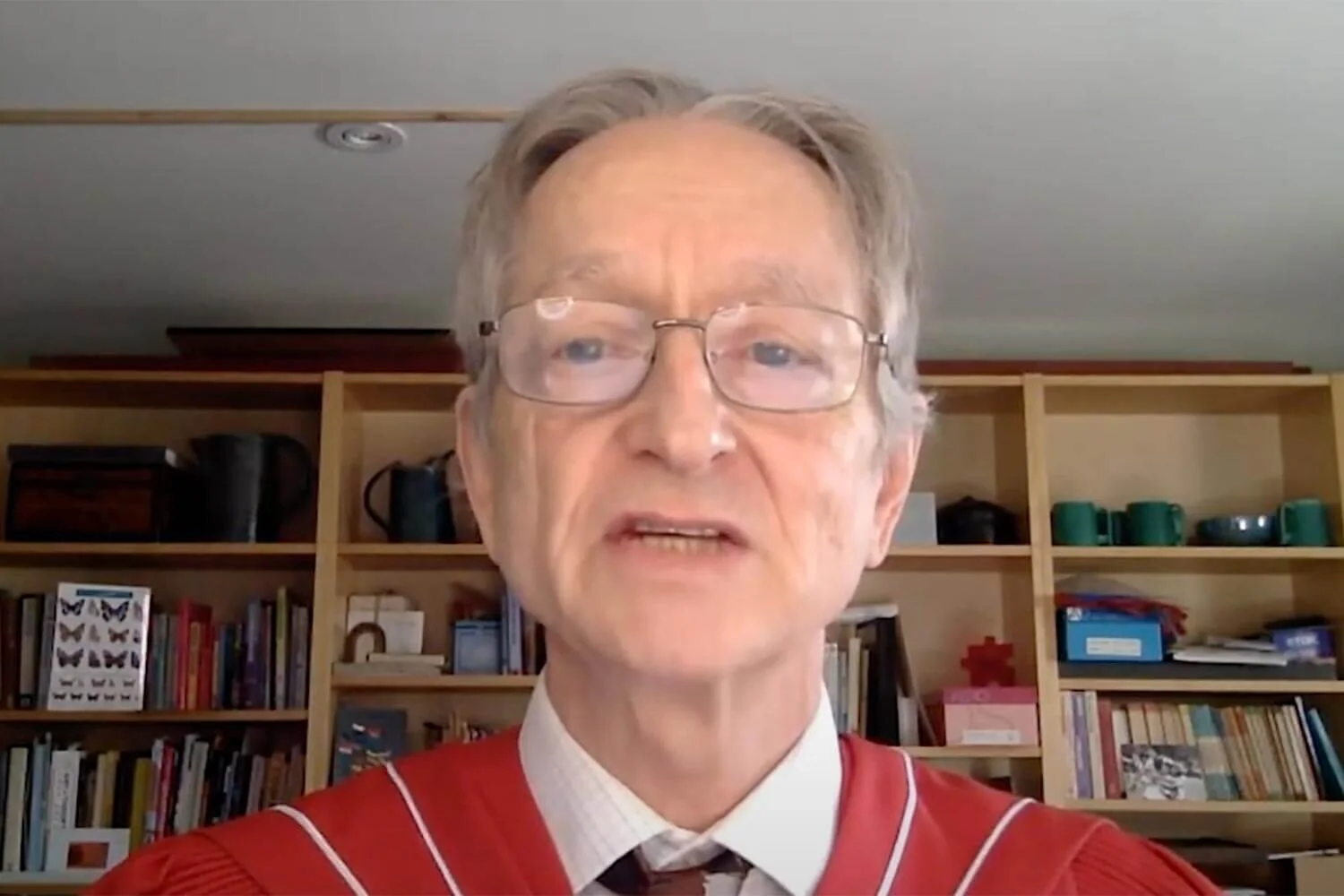
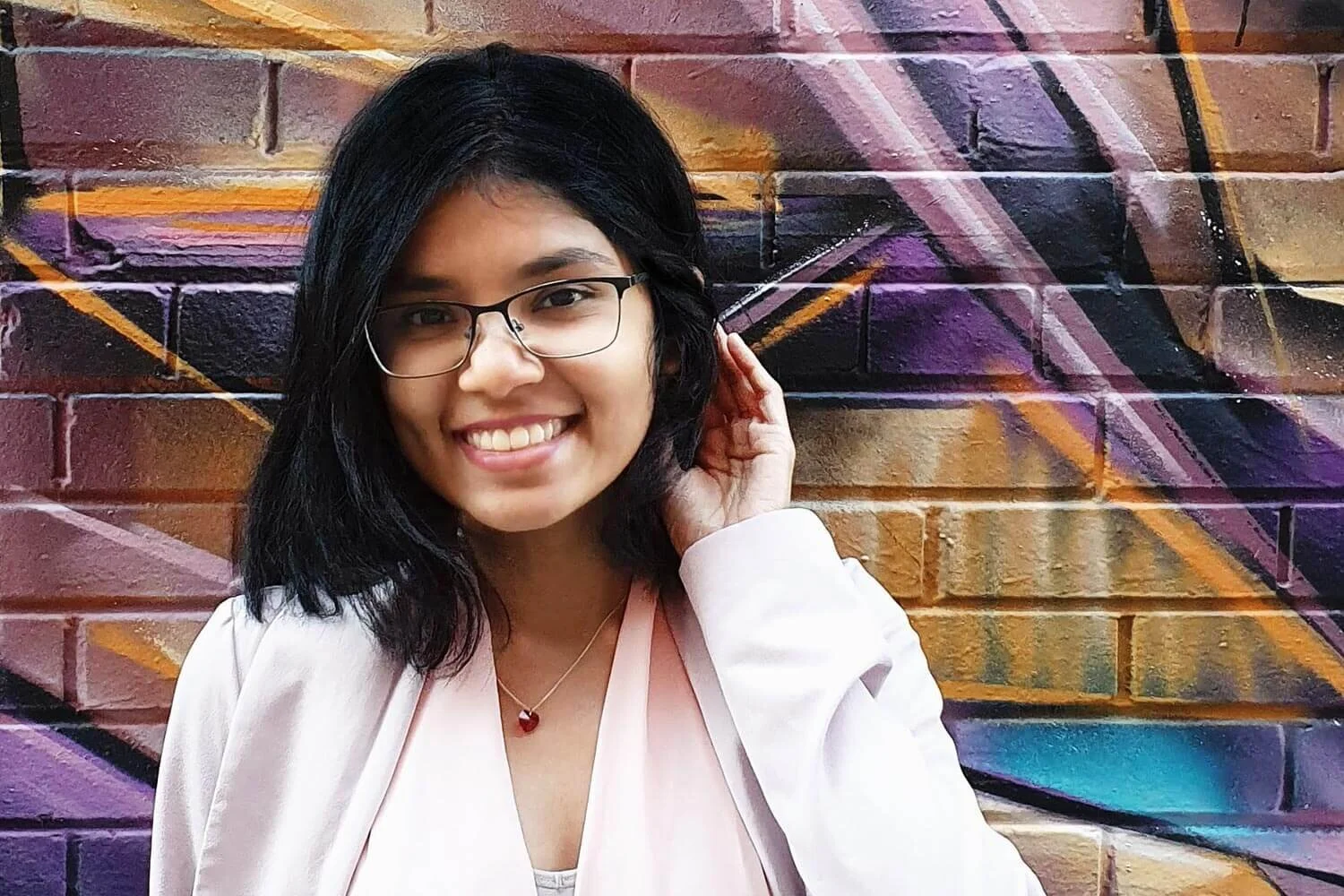
Graduation Spotlight: Murad Akhundov

Murad AkhundovComputer Science Specialist University College

Murad Akhundov

Computer Science Specialist

University College

Why did you choose U of T for your undergrad?

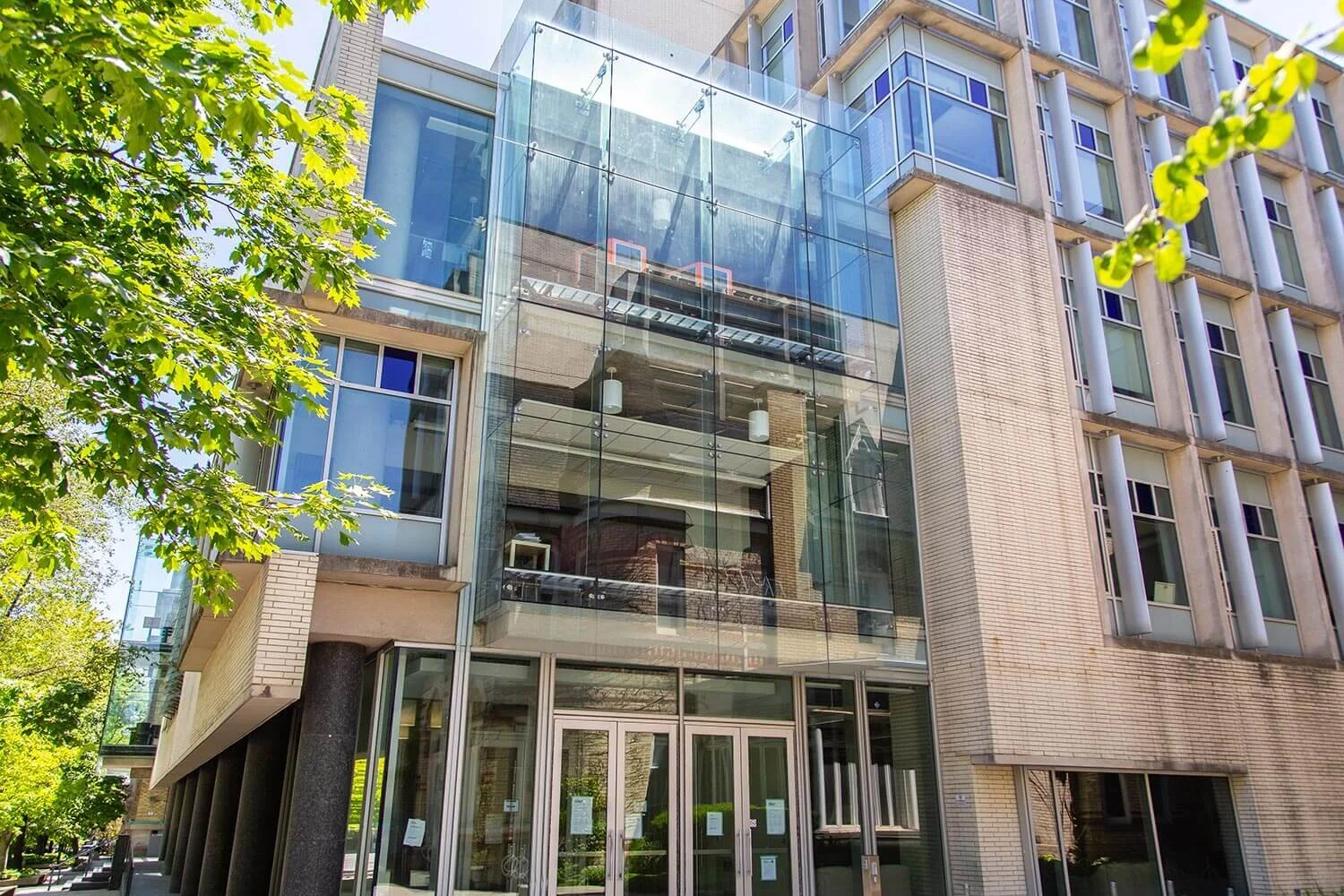
It was a combination of several different factors. I already knew that I wanted to study computer science before coming here, and U of T seemed like a great place for that. I liked how the university offered a lot of different opportunities in academic research and Toronto is a major hub for the tech industry. I was also very keen on moving to a big city, so a downtown Toronto campus was a big plus.

What inspired you to study computer science?

I love solving puzzles/logic problems and building things, so I figured I would like programming. I also took a computer science course in high school. I really enjoyed it and got inspired to study CS further. Looking back, I definitely made the right choice.

Who or what at U of T influenced your education the most?

I found the first couple of theoretical computer science courses were very important. I already knew how to code before coming to university, but the theoretical side of CS was entirely new to me. The courses really taught me how to think differently, and how to communicate my reasoning in a very logical, precise and clear way. I think it is great that you get to take these courses very early on at U of T — this is not the case at all schools, unfortunately.

How did you get involved at U of T outside of your coursework?

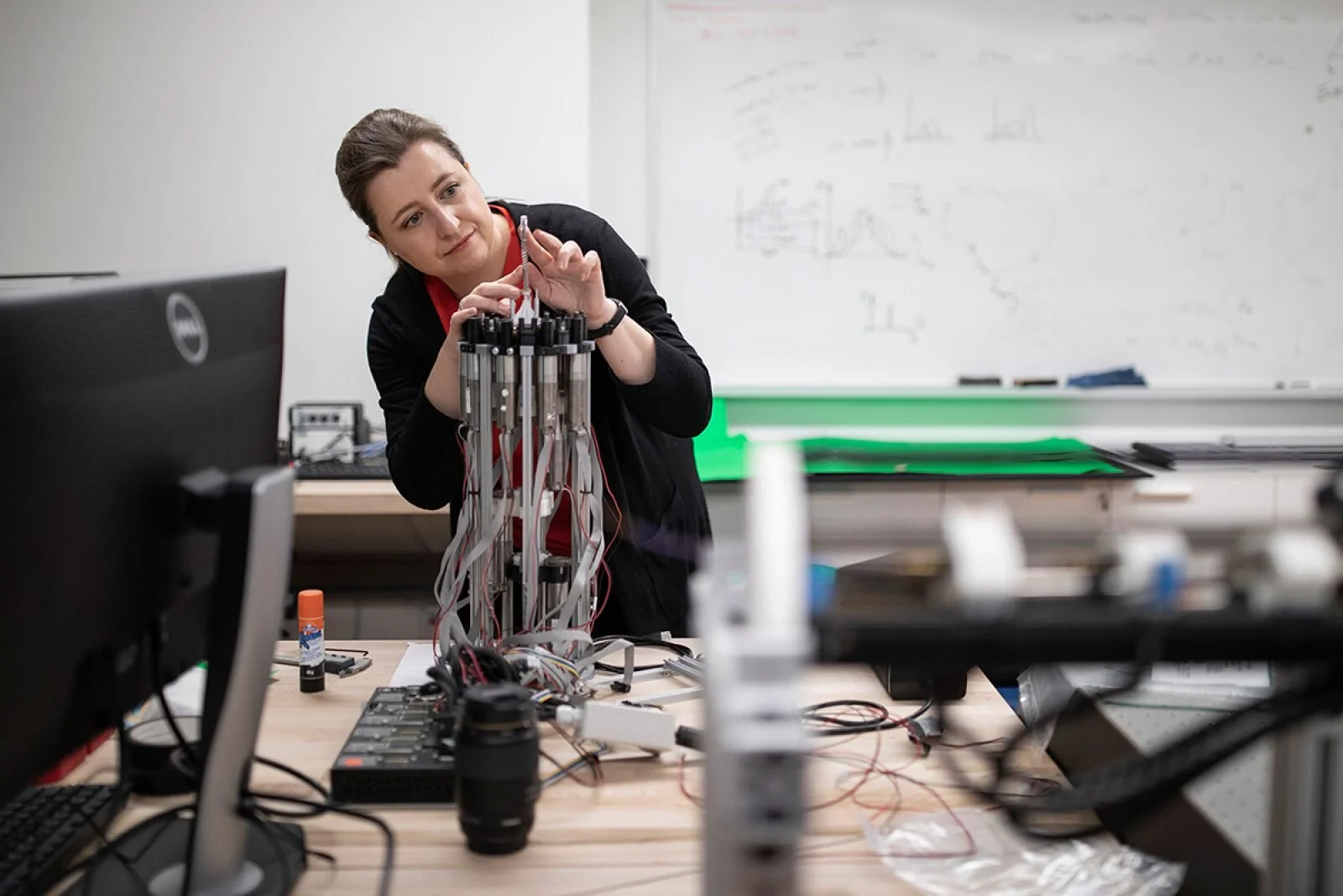
I worked for about two years with Professor Marsha Chechik's lab. It was a really great learning experience to get involved with academic research. My work ended up winning a student research competition, and we are publishing a paper on it, which has been very rewarding. I would definitely recommend all undergrads to try to get involved with research, even if they are not planning on going to grad school.

If you could go back and give yourself one piece of advice at the start of your undergraduate degree, what would it be?

I kind of regret not taking more courses from other departments outside of math and computer science. I am very interested in geography and urban issues, and I feel like I might have missed an opportunity there. I also wish that I had gotten involved with research a bit sooner. It can be a bit overwhelming at first as there is no easy matching system, but it is well worth it.

What’s next for you?

I joined Okta Toronto as a Software Engineer about a month ago. I interned there last summer and it's great to be back!

This Q&A has been edited for clarity and length.

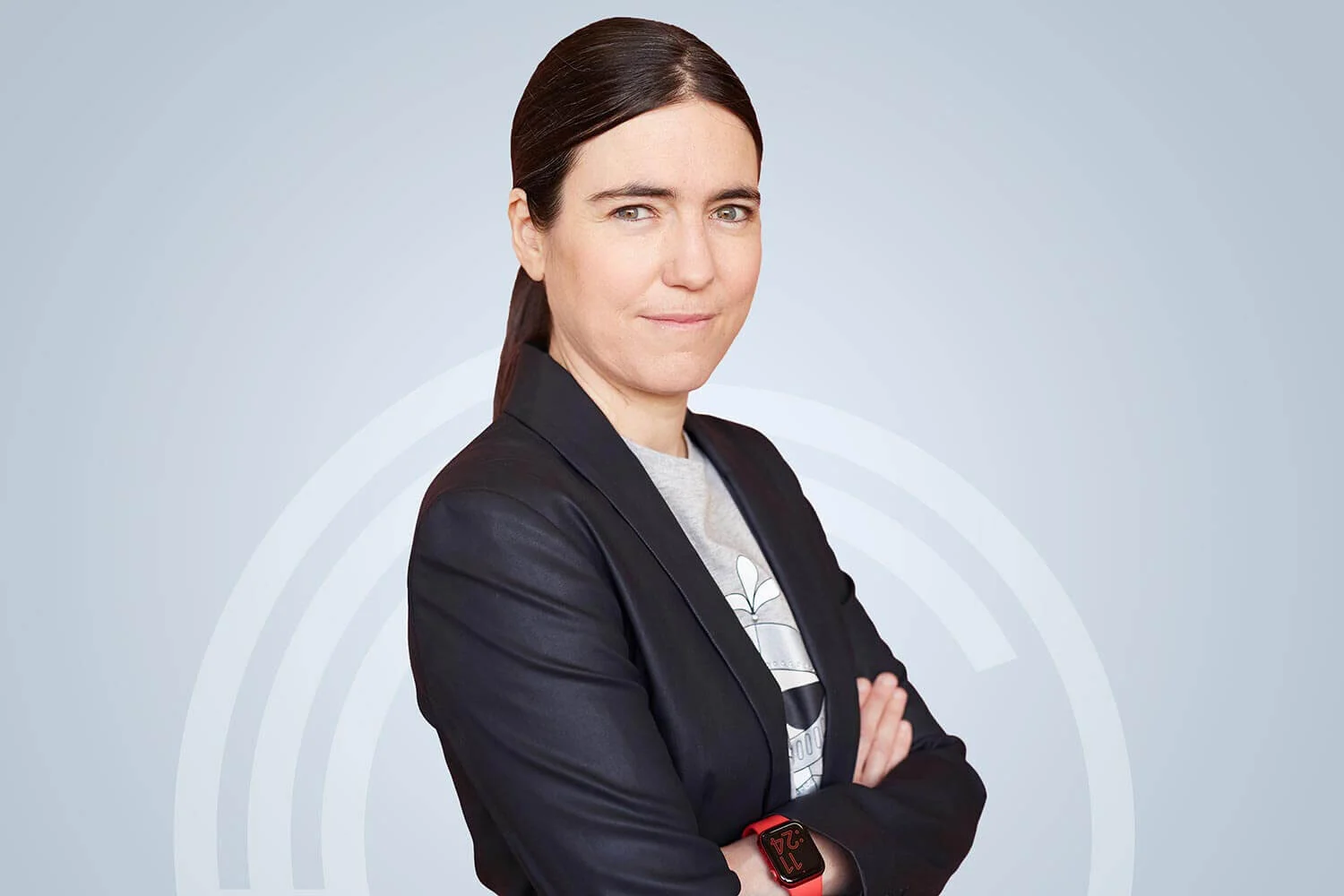
Graduation Spotlight: Danya Lette

Danya LetteComputer Science SpecialistVictoria College

Danya Lette

Computer Science Specialist

Victoria College

Why did you choose U of T for your undergrad?

I grew up in Toronto, so U of T was an obvious choice for me. I'm very lucky that the school in my backyard is also a top-notch research university!

What inspired you to study computer science?

I have a pretty eclectic background. I have a previous degree in philosophy — although I started that degree thinking I would surely become a physicist — and I've also consistently been involved in various art projects. I didn't consider myself a "computer person" at all, despite having done some programming for art projects. Over time, I learned more programming and eventually started working as a web developer. As I learned, I accumulated a lot more questions than answers. I also started to realize that many topics that had interested me in the past were, in fact, part of computer science. Going back to school to study computer science became an inevitability. Curiosity is a powerful motivator.

Who or what at U of T influenced your education the most?

I am very grateful for all the computer science faculty members who were able to convince me that you can learn how to learn, you can learn how to study, you can learn how to take tests, you can learn how to communicate effectively — soft skills are skills, not ingrained personality traits. These lessons carried me through my degree and gave me the confidence to take on a lot of really rewarding challenges.

How did you get involved at U of T outside of your coursework?

In my second year, I started volunteering as an editor at the Review of Undergraduate Computer Science (RUCS), a journal that publishes undergraduate research in computer science at U of T. I partly got involved in RUCS because I was interested in pursuing research, but I wasn't exactly sure how to do so. In my experience at RUCS, I realized that it wasn't just me — many of my peers were also interested but confused or demotivated. It was very hard to find out about research opportunities, get advice, and successfully navigate the bureaucracy. So, through RUCS, I started several initiatives to remedy some of these issues, including the Undergraduate Research Guide, the UGSRP Meet n Greet / NSERC info session, and the Research-a-Thon.

What U of T memory do you treasure the most?

One memory that stands out for me is watching a group of my classmates stand at a whiteboard together, laughing and shouting while trying to solve an unsolved problem in theoretical computer science. They were not bothered by the fact that it is unlikely for a group of undergrads to solve that problem. They were focused on the problem, sharing creative suggestions that drew on material they had learned in different courses and in different research areas. I like this memory because it shows how creative science and math can be, how much you can accomplish when you work together, and how much fun that process can be.

If you could go back and give yourself one piece of advice at the start of your undergraduate degree, what would it be?

I would just tell myself, "You can do it!"


Is there a lesson you learned as an undergraduate student that you’ll take with you moving forward?

Collaboration is both fun and an awesomely powerful tool.

What’s next for you?

In September, I'll be starting a master's in computer science at U of T with Professor Azadeh Farzan. I'll be doing research in programming languages, with a focus on automated formal verification and program synthesis.

This Q&A has been edited for clarity and length.

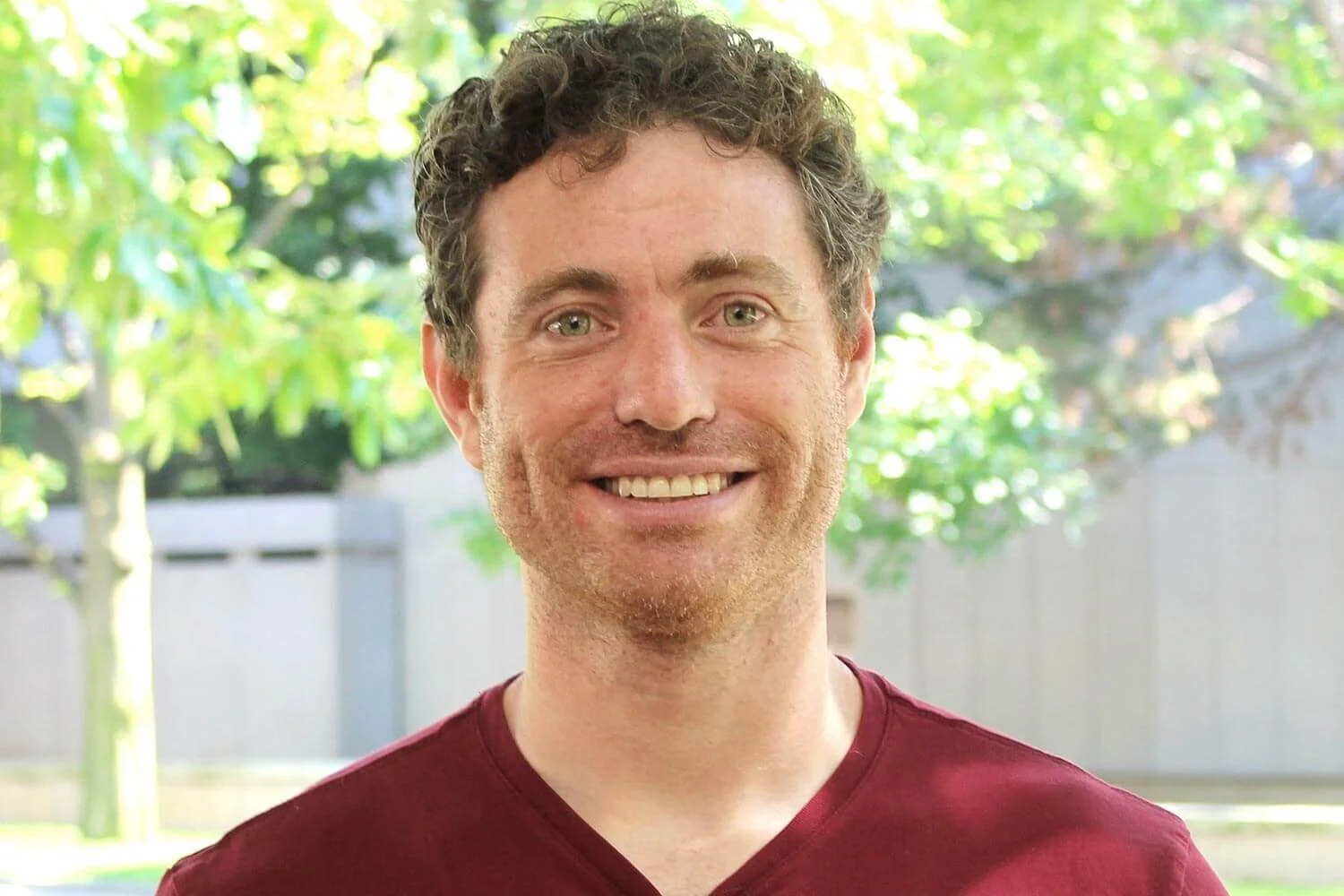
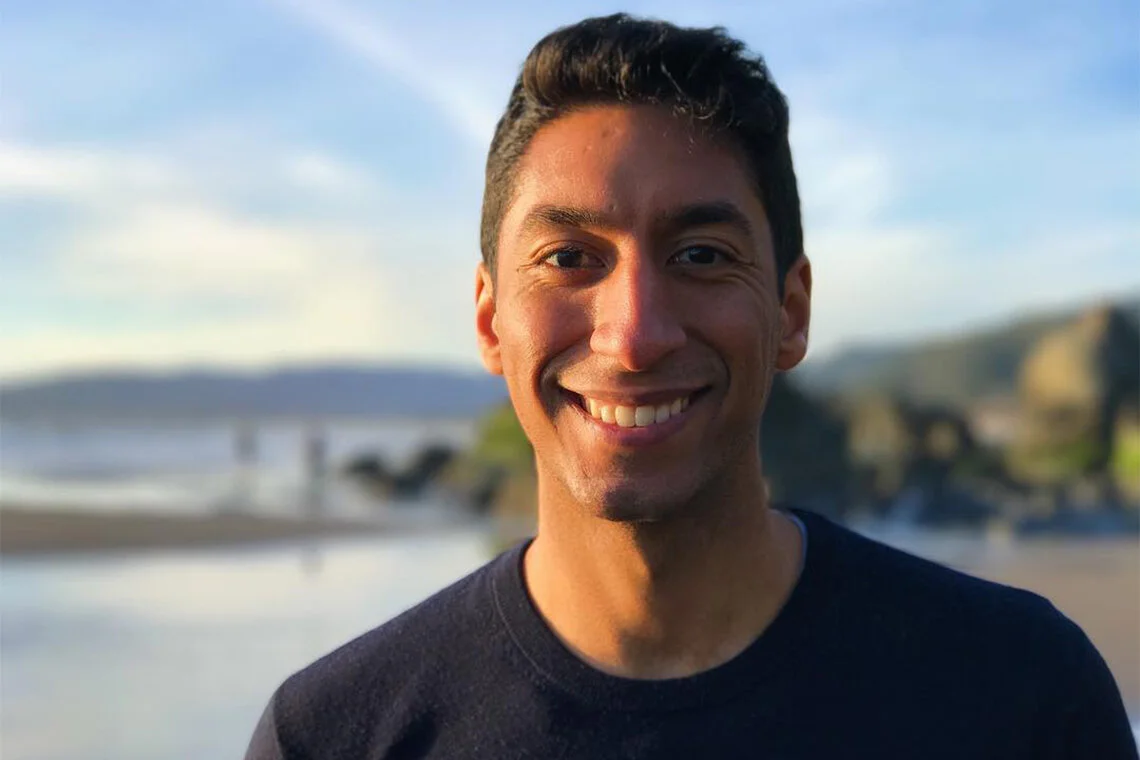
Graduation Spotlight: Ben Prystawski

Ben Prystawski  Computer Science Specialist, AI Focus Cognitive Science MajorTrinity College

Ben Prystawski

Computer Science Specialist, AI Focus

Cognitive Science Major

Trinity College

Why did you choose U of T for your undergrad?

In high school, I wasn't entirely sure what I wanted to study in university, so I chose U of T because it has strong departments across the board. The general first year in Arts and Science let me take a wide variety of courses, confident in the knowledge that U of T would have a good program in whatever I chose.

What inspired you to study computer science?

I enjoyed math in high school and liked to program and tinker with computers, but at the same time I was interested in other subjects like linguistics, philosophy, economics, and psychology. I ended up deciding to study computer science because it mixes well with other fields. You can put the word "computational" in front of lots of other disciplines, like linguistics, biology, or neuroscience, and get a cool interdisciplinary field. Ultimately, I decided to combine my computer science specialist with a cognitive science major, which let me explore applications of computational ideas to questions about the language and the mind.

Who or what at U of T influenced your education the most?

I've had the great fortune of doing research with three fantastic professors at U of T: Yang Xu, Joseph Williams, and Daphna Buchsbaum. I learned a ton from them, both specific concepts in computer science and cognitive science and general advice for navigating my career and further learning. These professors had a major influence on my decision to pursue a career in academia and helped me get into graduate school.

How did you get involved at U of T outside of your coursework?

I got involved with the Computer Science Student Union (CSSU), where I was a general council member in my second year and director of academic events in my third year. I also worked with U of T AI, helping to put together an extracurricular course that teaches the basics of AI and machine learning to first and second-year students. These groups were really fun to be a part of and I met a lot of great people through them.

What U of T memory do you treasure the most?

Some of my favourite U of T memories are from exploring Toronto with my friends. There are tons of great restaurants, parks, and museums within walking distance of campus. I especially enjoyed trying new cuisines and visiting places like Allan Gardens and the Royal Ontario Museum (ROM).

If you could go back and give yourself one piece of advice at the start of your undergraduate degree, what would it be?

I would advise myself to focus my attention on whatever I'm doing. I spent most of my first and second years trying to do schoolwork and entertainment at the same time, like trying to work while listening to a podcast, without really accomplishing either of them. It's really easy to spend hours at a library scrolling through social media with a textbook open and convince yourself that you've studied. I've learned that it's much more fulfilling and enjoyable to spend 8 hours doing truly focused work then 4 hours having fun rather than 12 hours in this weird half-working half-relaxing state.

Is there a lesson you learned as an undergraduate student that you’ll take with you moving forward?

How easy something is to measure has very little to do with its importance. Earlier in my degree, I was too narrowly focused on easily measurable variables like my grades. Grades were definitely important for me, but harder-to-measure aspects of my degree, like the people I met and the subtle shifts in the ways I think about the world, were probably at least as important. Moving forward, I am trying to pay attention to parts of my life that are hard to quantify and make sure I don't neglect them.

What’s next for you?

I will start my PhD in Psychology at Stanford in September! My research will be on computational modelling of language.

This Q&A has been edited for clarity and length.