
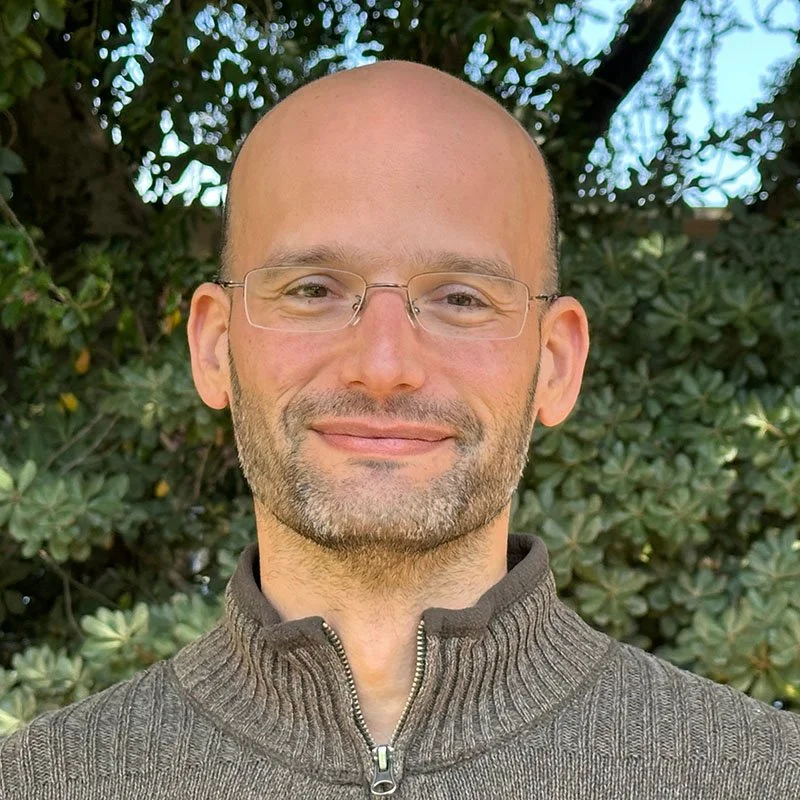
Ohad Shamir
Professor
When Ohad Shamir first encountered machine learning as an undergraduate in the early 2000s, it was not through a viral AI tool or a cutting-edge research lab. Instead, it was through a collection of old books in a university library. Intrigued, he signed up for a machine learning course and never looked back.
Today, his work focuses on the theoretical foundations of machine learning with the goal of understanding how and why modern AI systems work and behave.
“Machine learning has this wonderful property that it often works much better than we know how to explain. For a theoretician, that’s either very exciting or very annoying. I’ve chosen to interpret it as exciting,” Shamir says.
The gap between what AI systems can achieve and what researchers can explain continues to drive his research. For Shamir, theory offers a way to better understand the capabilities and limitations of machine learning, while making AI systems more reliable and safe.
After spending 13 years as a faculty member at the Weizmann Institute of Science, Shamir has joined the University of Toronto’s Department of Computer Science, which he describes as “a machine learning and AI superpower,” citing its strong and vibrant research ecosystem.
As AI continues to develop rapidly, Shamir — who is also a Canada CIFAR AI Chair — is looking to further advance the department’s strengths in machine learning foundations. In particular, he is interested in developing a deeper theoretical understanding of how AI systems learn, behave and make decisions.
“With all the dramatic advances in AI over the past few months, I really hope to be able to contribute to machine learning algorithms that lead to safe, robust and reliable AI tools that will benefit humanity,” says Shamir.
He believes this will require understanding how AI systems learn, behave and make decisions, beyond relying solely on increasing computing power and data.
While his research explores some of AI’s biggest unanswered questions, Shamir says some of the most rewarding moments in academia come from helping students develop into independent researchers.
“I enjoy watching the transition from ‘I have no idea what is going on’ to ‘Wait, I think I understand this’ to, occasionally, ‘Actually, I think you’re wrong,’” he says. “The last stage is particularly satisfying.”
Ultimately, he hopes students develop a lasting enjoyment of their work and the pursuit of new knowledge. With graduate students, he says, the goal is simple: “That they will eventually stop needing me and teach me things rather than the other way around.”