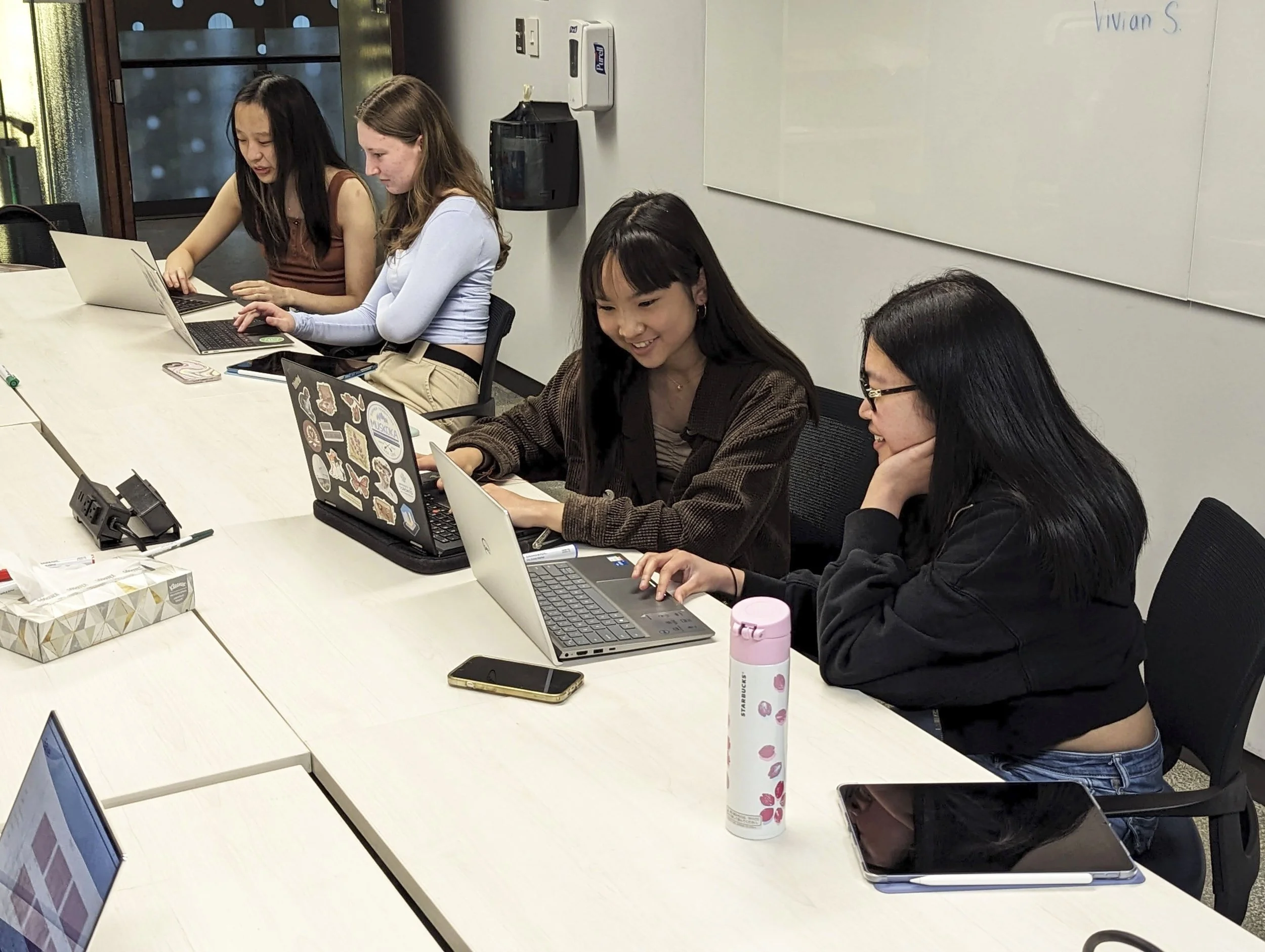
Department of Computer Science students designing and developing Forensics Pursuit. (All photos supplied by Steve Engels)
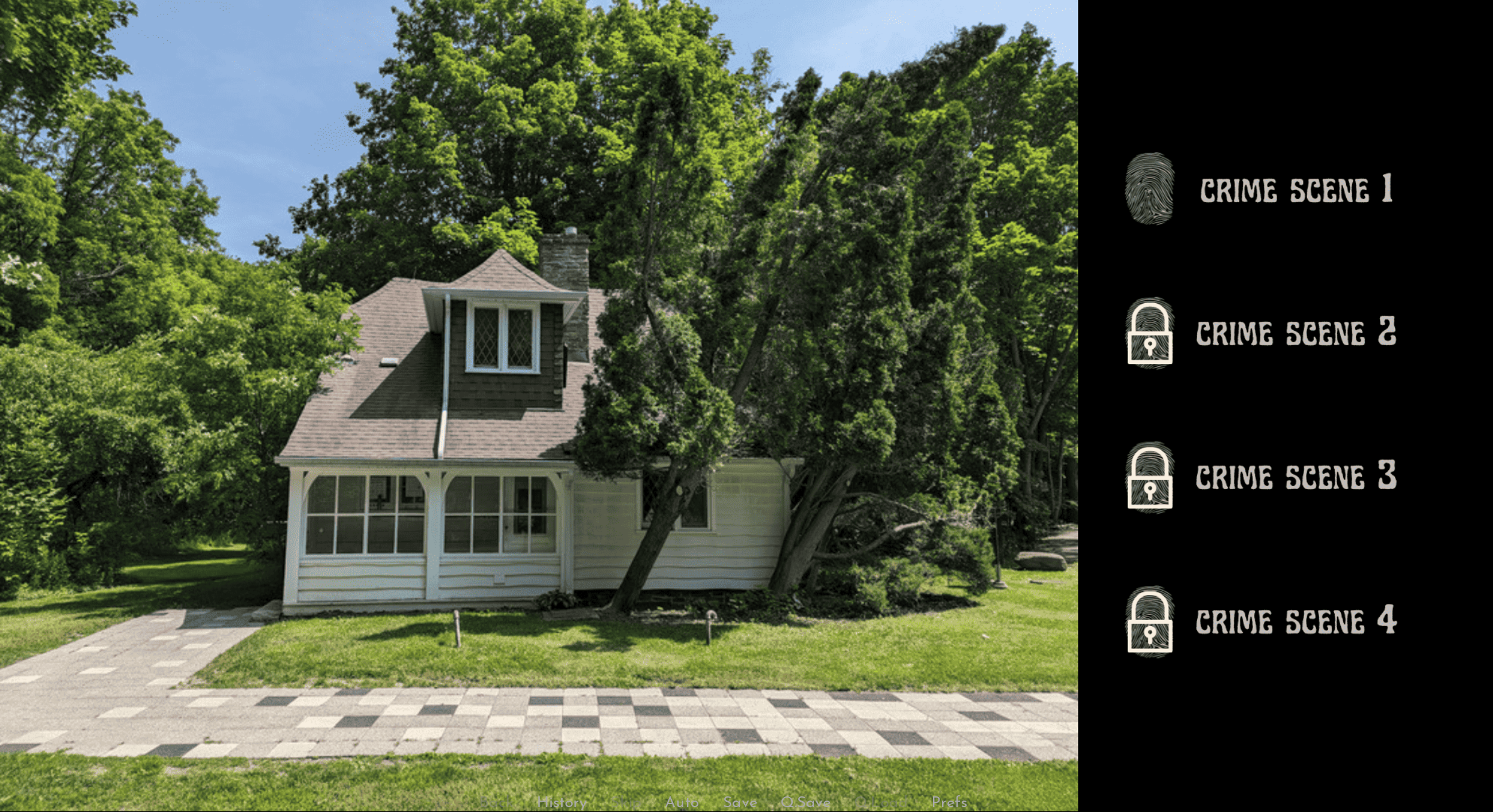
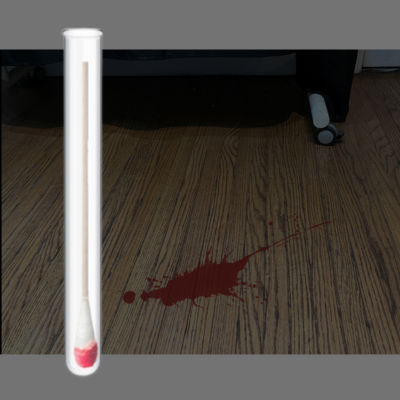
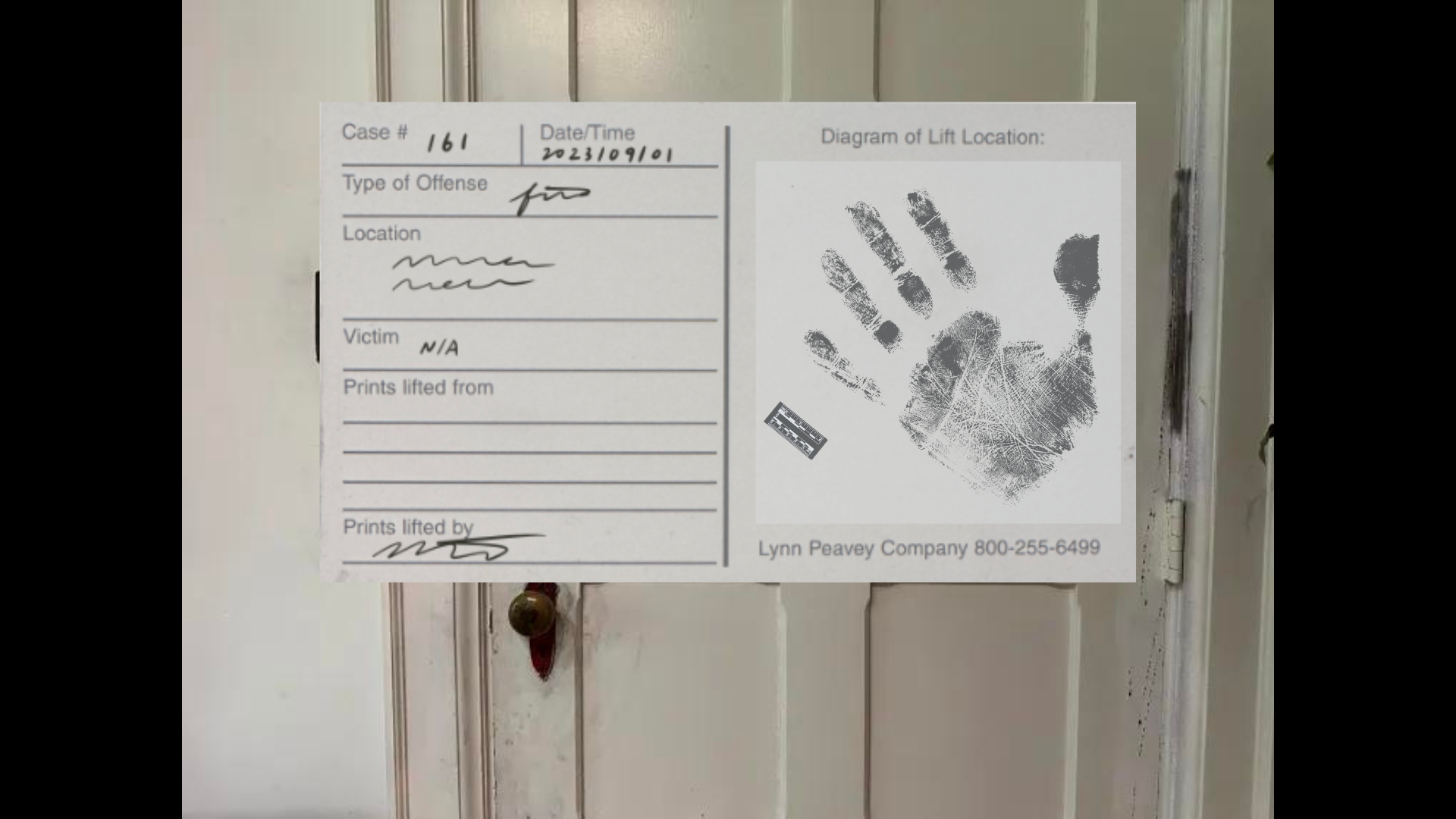
On the corner of a quiet, tree-lined street sits a weathered house. To passersby, nothing is out of the ordinary. But step through the creaky door and a different story begins to unravel. A pool of blood splattered on hardwood floors, a red footprint trailing a few steps ahead, a smudged handprint on a door and snacks and drinks still arranged on a table.
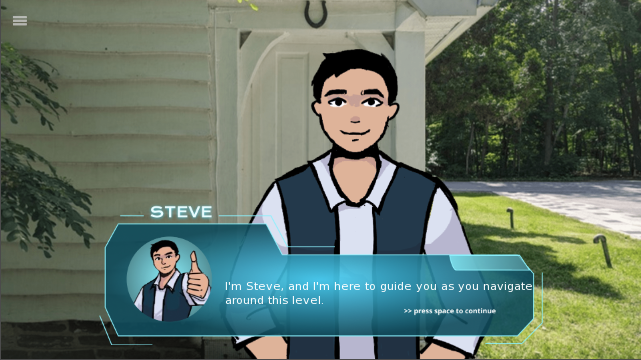
This is a staged crime scene in a video game called Forensics Pursuit, and it’s up to players to piece together the scenario. Designed and developed by University of Toronto computer science students in collaboration with University of Toronto Mississauga forensic science students, the simulation aims to prepare learners for one-shot, high-stakes forensic assessments with little room for error.
A High-Stakes Learning Environment
Steve Engels at the forensics lab at the University of Toronto Mississauga
Forensic science students taking identification courses at the University of Toronto Mississauga typically get one chance to navigate mock cases and scenarios, including a staged crime scene house on campus. It’s an assessment that is resource-intensive to run and unforgiving of mistakes.
Forensics Pursuit was created to give students the buffer they needed. The collaborative project was inspired by discussions between Steve Engels, professor, teaching stream in the Department of Computer Science and Vivienne Luk, associate professor, teaching stream at the University of Toronto Mississauga’s Institute of Forensic Sciences.
The project is funded by a three-year LEAF Grant (Learning & Education Advancement Fund) and involves multiple cohorts of Research Opportunities Program (ROP), work-study and volunteer students.
Vivienne Luk trying out the students’ games. Department of Computer Science students Olivia Markow (left) and Gaia Micciancio (right)
“Our purpose is to create a safe and supportive environment where students can make mistakes — or even be encouraged to make them — and learn from those mistakes before they enter the professional world, where errors can have significant consequences,” explains Luk, noting students are taught early on about the consequences of miscarriage of justice.
Where Computer Science Meets Forensics
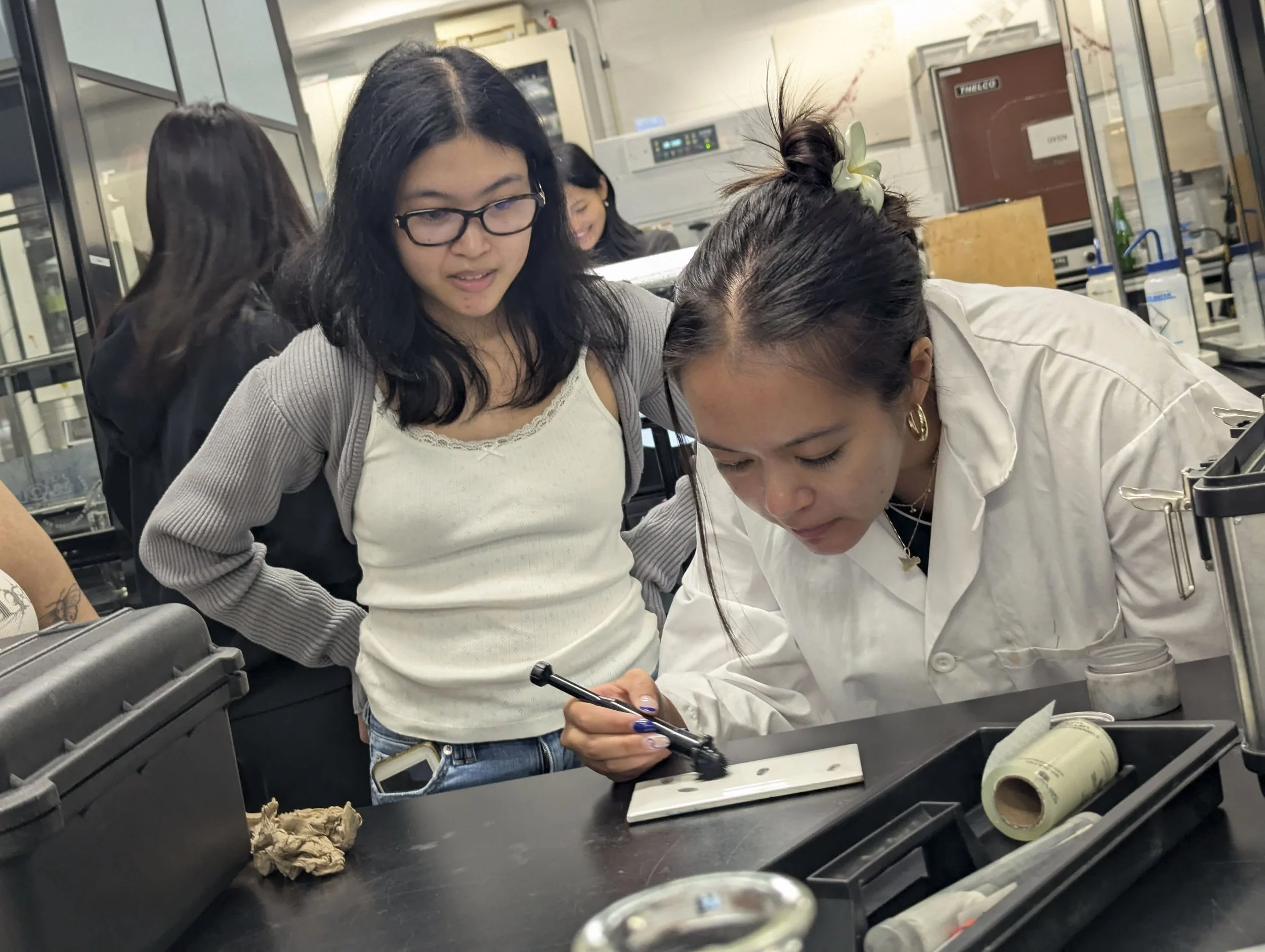
Department of Computer Science students Janna Lim (left) and Gaia Micciancio working on fingerprint dusting and analysis at the UTM forensics lab.
Forensics Pursuit is not just a virtual simulation but reflects how computer science can support other disciplines. Built on expertise in game design, human-computer interaction and educational technology, the project demonstrates how applied research can create real-world learning tools.
“I see computer science as being able to use technology to solve problems, not just technical problems, but cross-disciplinary ones,” says Engels.
The game allows students to rehearse complex skills such as evidence collection, lab analysis and courtroom testimony in a low-stakes environment. The result is a collaboration in which students are not simply learners, but co-creators of an innovation that directly improves their own education.
Forensics Pursuit kicked off in 2023, with initial game development led by Nina Huang, who double majored in computer science and psychology and graduated in June 2025. She built the 2D point-and-click game using the Ren’Py engine and Python, structuring it in three stages: crime scene evidence collection, lab analysis and a courtroom scene, each unlocking only after the previous is completed.
Jumpstarting the game’s development meant balancing technical and forensic requirements, a process that taught Huang how to communicate across disciplines and translate user feedback into design decisions.
“Within the CS community, many of us approach problems with similar ways of thinking. Having someone from a completely different field involved is refreshing because they bring new perspectives and generate ideas we might not have considered,” says Huang.
To ground the game in reality, computer science students participated in hands-on forensic exercises, visited the forensics lab and the UTM crime scene house, learning how evidence is collected and how small mistakes — such as using the wrong fingerprinting dust or one light source rather than another — can compromise evidence collection results.
The experience helped students design game mechanics that reflect the realities of crime scene work, rather than abstract procedures.
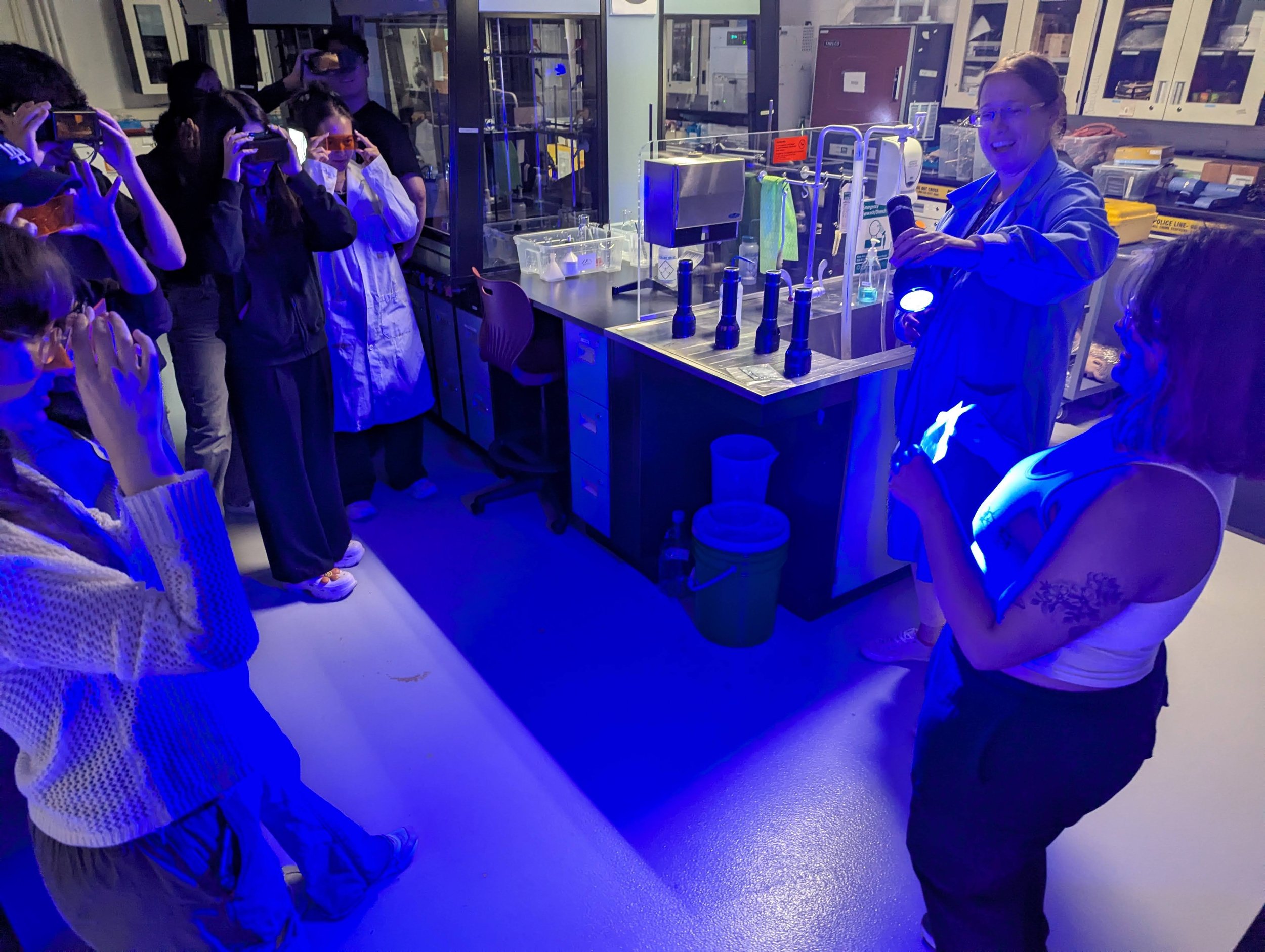
UTM forensic science graduate Navya Mathur demonstrates a chemically processed fingerprint on a card with the lab tech shining a UV light of a specific frequency on it. In order to see the reflected fingerprint, students wear orange glasses to make the fingerprint visible.
“There’s something about a tangible experience that helps connect the situations that we’re simulating to the ones students would actually encounter,” explains Engels. “It makes the whole experience more real than watching a video or reading a textbook.”
Vivienne Luk shows CS students how to collect a shoe impression.
CS students hold shoe impressions they have created.
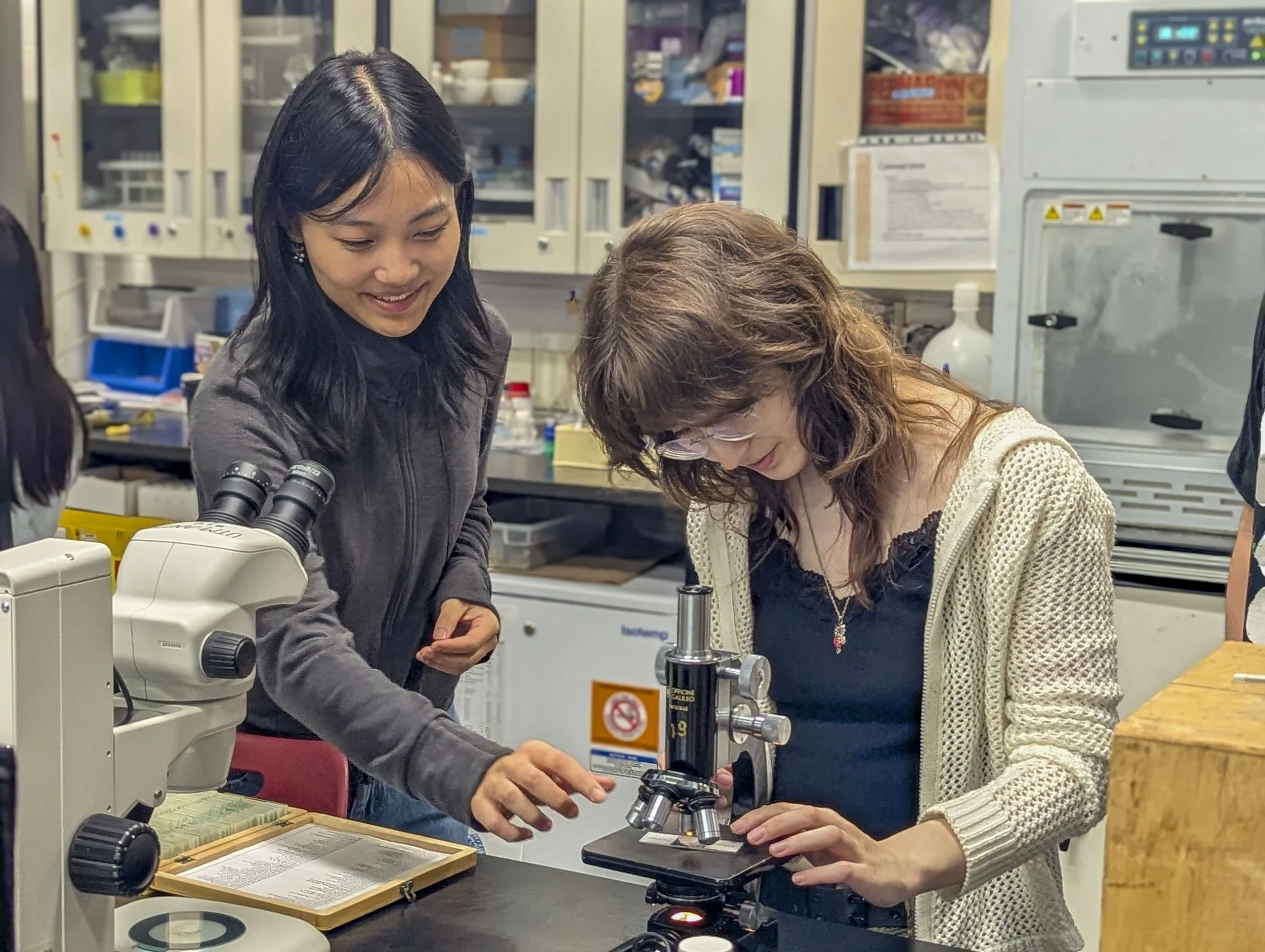
Department of Computer Science students Chelsey Wang (left) and Olivia Markow (right) examine animal specimens under a microscope at the UTM forensics lab.
Curiosity Crosses Disciplines
Bridging the gap between real-world forensic situations and digital simulation sparked creativity among students, prompting some to move between the two fields. Navya Mathur, who studied forensic psychology at UTM and graduated in June 2025, initially joined the project as a work-study forensic consultant to ensure concepts and techniques were accurately represented in the game.
“This project is about making sure everything we learn sitting in a lecture hall has a way to come to life,” Mathur explains.
But over time, Mathur’s role expanded beyond advising into building — a shift they pursued further through their fourth-year capstone project — drawing on their passion for gaming and a growing curiosity about technology and programming.
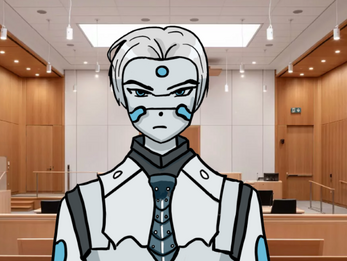
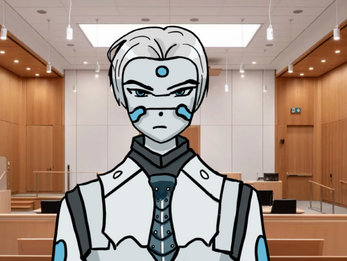
AI-driven lawyer in the courtroom scene Navya Mathur developed.
Using the Gemini API, Mathur redesigned the courtroom scene from a multiple-choice interface to an interactive conversation with an AI lawyer character, to better reflect the pressure of delivering expert testimony.
“The courtroom is like the boss fight. You have all this information you’ve learned from these previous stages and now you have to use it,” says Mathur.
The system draws on players’ earlier decisions, allowing the AI to tailor its questions based on how they handled the investigation.
Putting Forensics Pursuit to the Test
As the project has evolved, it has begun to extend beyond the university, with faculty and students bringing Forensics Pursuit to external partners for playtesting. Among them is the Peel Regional Police, who have provided feedback on technical refinements and expressed interest in using it as a teaching tool.
“They think it’s a great idea and want us to continue developing it in a collaborative manner,” says Luk.
That growing interest points to the broader potential of projects like Forensics Pursuit, where students are shaping how learning in their fields takes place. What began as a collaboration between computer science and forensic science students has created a space for experimentation, one where mistakes are part of the process and confidence is built before entering high-stakes environments. The simulation becomes more than a game: it becomes training for the realities students will face beyond the classroom.
The crime scenes may be staged, but the preparation is real.