
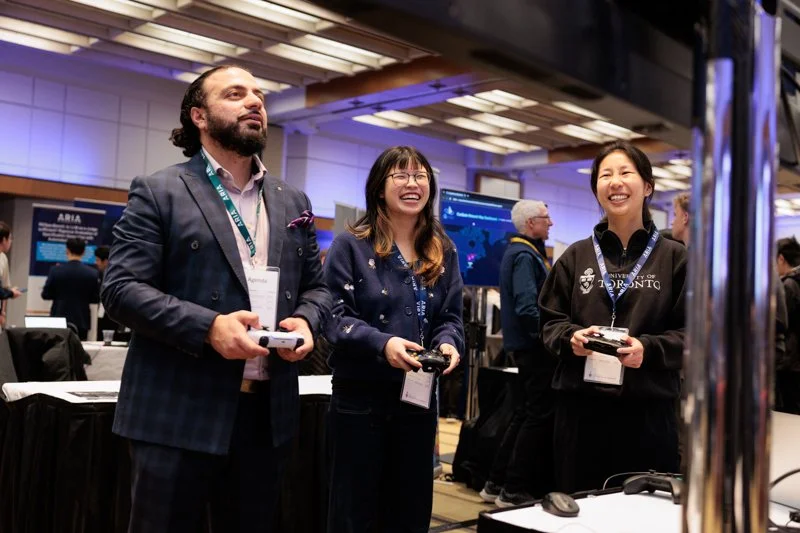
The Applied Research in Action (ARIA) showcase featured computer science research and technological innovation, including live demonstrations of video games. (Photo: Matt Hintsa)
What began as a small event designed for Master of Science in Applied Computing (MScAC) students 10 years ago has grown into one of Toronto’s largest academic-led tech innovation showcases. The annual Applied Research in Action (ARIA) showcase now highlights cutting-edge research from across the University of Toronto’s Department of Computer Science.
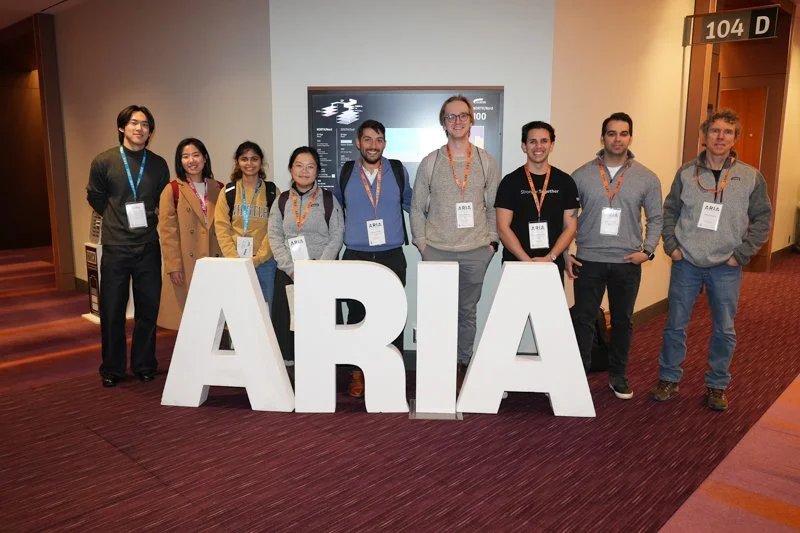
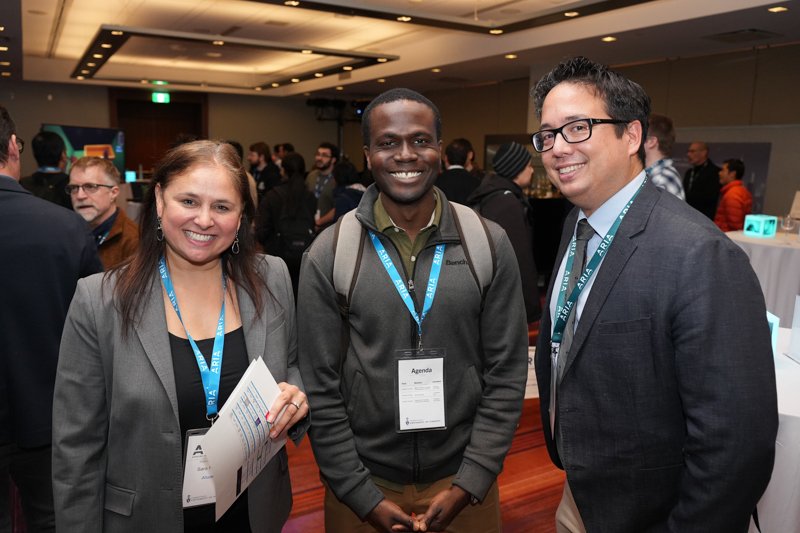
More than 1,000 students, alumni, faculty, staff, industry leaders and government officials attended this year’s event, which showcased the department’s growing impact in applied research.
“The rapid growth of ARIA attests to the importance of the event for Toronto’s tech space,” said Arvind Gupta, professor, academic director of professional programs and director for strategic initiatives in the Department of Computer Science. “Many companies come out to see for themselves the amazing technologies being developed. This inspires even more companies to develop next-generation technologies.”
Sponsors included AMD, Mitacs, Vanguard, Cresta, Georgian, Geotab, Shopify, Qorsa, Next Pathway and Ubisoft. These partnerships go beyond sponsorship, Gupta said; they represent a shared commitment to mentorship, meaningful engagement and real-world impact.
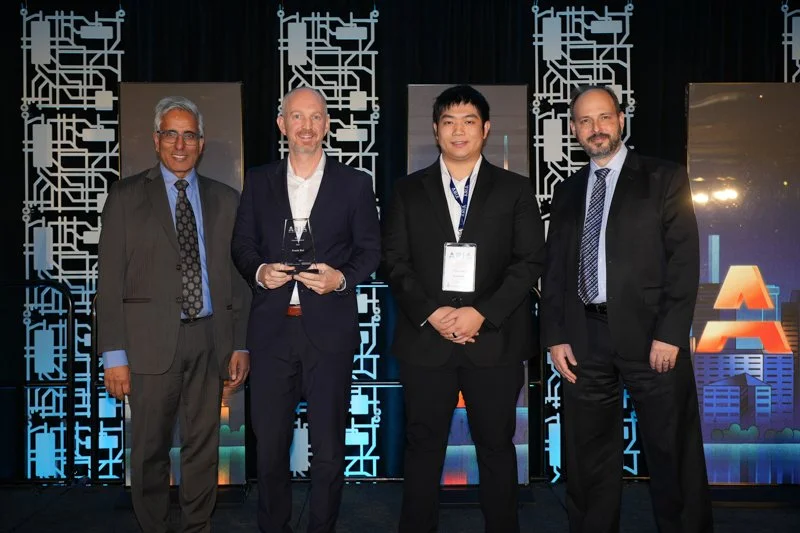
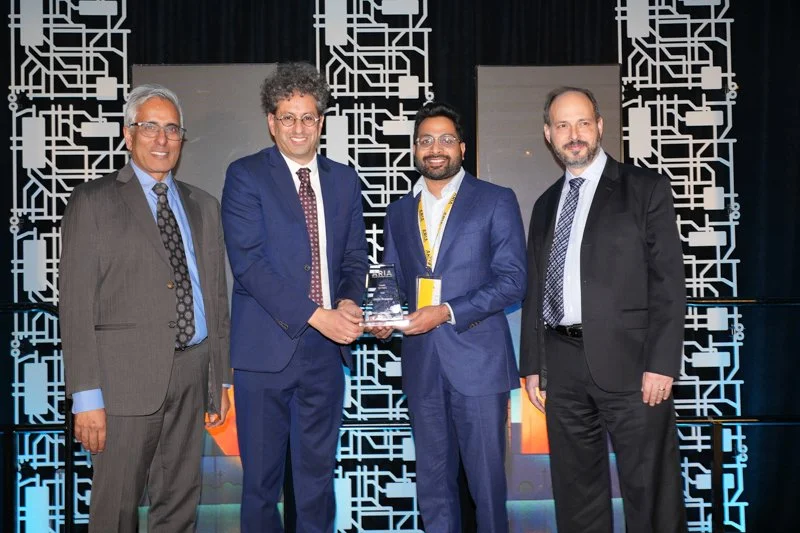
The event also featured the MScAC Award Ceremony. Special guests MP Karim Bardeesy, MP Michael Guglielmin and Mitacs CEO Stephen Lucas presented the Industry Icon Award, the Student Innovation Award and the new MScAC-Mitacs Award.
Award recipients:
Industry Icon Award: Jithin Pradeep, director, head of enterprise AI & research, Vanguard
Student Innovation Award: Frank Bai, MScAC student
Faculty Recognition Award: Xiaofei Shi, assistant professor, Department of Statistical Sciences
ARIA Spotlight Award: Alan Rosenthal, system administrator, MScAC
MScAC-Mitacs Award: Ashka Shah, MScAC student
After the ceremony, Stephen Lucas of Mitacs, Deidre Haskell, director of the Fields Institute, and Eyal de Lara, professor and chair of the Department of Computer Science, signed a partnership agreement to raise awareness of Canadian computer science graduate programs in India.
“The department has a long track record of producing research that shapes Toronto’s tech ecosystem and global innovation. Our goal is to train top researchers and practitioners who will cement Canada’s place as a leading tech engine.”
ARIA 2025 featured an impressive 140 student-led projects from undergraduate, MScAC, MSc and PhD researchers, many developed in collaboration with industry partners in sectors such as AI, health, finance and cybersecurity. Attendees explored emerging technologies, engaged directly with student researchers and learned innovative solutions to real-world challenges.
Across all levels, students and researchers are applying their skills to meaningful, industry-relevant problems. Three projects stood out for their use of emerging technologies — these stories highlight how computer science researchers are making an impact.
From FTL to ARIA: students bridging leadership and research
The Focus in Technology Leadership (FTL) is an experiential learning program that prepares undergraduate students to lead in technology-driven industries. Industry partners present problems in class, and student teams design software solutions and business plans.
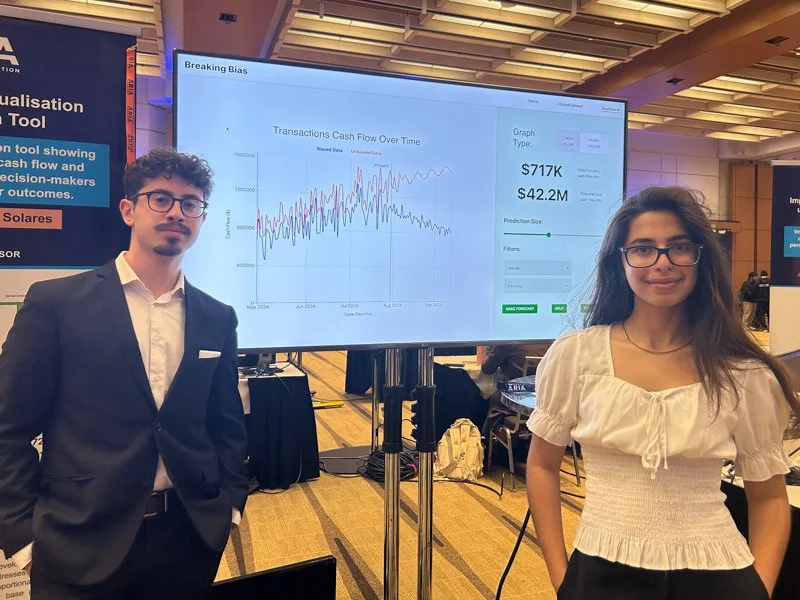
Carlos Solares and Tara Tandon (photo: supplied)
Carlos Solares, Tara Tandon and their team showcased their FTL project at ARIA 2025. Their work addresses a major fintech challenge: reducing bias in machine learning systems used for fraud detection.
In collaboration with Cash App, the team built a platform that helps executives see how bias in fraud detection affects users and business outcomes. The goal is to give companies the tools to spot and reduce unfair patterns, especially for groups that may be disproportionately targeted.
“Presenting at such a large, high-profile event was exhilarating and an honour,” said Solares and Tandon. “It will no doubt be a highlight of our undergraduate journeys.”
They credit the FTL program with providing industry exposure and helping them develop leadership, networking, presentation and collaboration skills.
“Being surrounded by hard-working peers and given the resources and guidance to grow our skills has led many of us to land internships, pursue leadership roles and present research at conferences like ARIA.”
Innovating for impact: student’s research highlights the future of cancer care

Ashka Shah (photo: Jeff Beardall)
Showcasing the impact of student-driven innovation, Ashka Shah presented at ARIA, detailing how her eight-month applied research internship at the Princess Margaret Cancer Centre advanced the use of data-science techniques to detect lymphoma from routine, non-invasive procedures.
Routine imaging tests such as PET scans can sometimes miss early signs of cancer. But biology offers another way to detect cancer. As Shah explains, tumour cells release tiny amounts of DNA into the bloodstream. Her research explores how these biological signals could lead to more sensitive and accurate detection methods.
Inspired by family tragedy, Shah focuses on identifying signatures that distinguish tumour-derived DNA fragments from the background in liquid biopsies, or blood draws.
"My grandfather was diagnosed with cancer at a late stage and passed away,” said Shah. “Things might have been different if we’d had sensitive, accessible and non-invasive early cancer detection techniques.”
On the day of ARIA, she discussed her work in a live radio interview on NEWSTALK 1010 (at 21:43), calling the experience “a dream come true.”
“I never imagined explaining my project live on air to thousands of listeners,” she said. “My goal was to introduce the concept of liquid biopsies for cancer detection. I'd consider it a success if even one person felt hopeful about the future of cancer diagnostics.”
She said connecting with professionals who share her vision of advancing health tech was inspiring. “It gives us a chance to showcase our projects beyond academia to industry leaders who can help turn proofs of concept into real-world solutions.”
Looking ahead, Shah said her research is in its early stages — a proof-of-concept with a small cohort. Clinical applications will need further validation, but the potential impact is significant.
Researchers expose GPU flaw that threatens AI reliability

Joyce Qu (Photo: Matt Hintsa)
The PhD program trains researchers to tackle major challenges in computing and AI. One project featured at ARIA — GPUHammer — revealed a critical security flaw in widely used graphics processing units (GPUs).
GPUs power AI systems, video games and data analysis. U of T researchers showed these chips are vulnerable to Rowhammer, an attack that repeatedly accesses specific memory locations to corrupt nearby data. This means someone using a shared GPU could potentially corrupt information or interfere with how an AI system works.
Assistant Professor Gururaj Saileshwar, second-year PhD student Chris (Shaopeng) Lin and fourth-year undergrad Joyce Qu developed the proof-of-concept GPUHammer attack against GDDR6 memory on an NVIDIA RTX A6000, a GPU widely used for high-performance computing.
“More investigation will probably reveal more issues,” says Saileshwar. “And that’s important, because we’re running incredibly valuable workloads on GPUs. AI models are being used in real-world settings such as healthcare, finance, and cybersecurity. If there are vulnerabilities that allow attackers to tamper with those models at the hardware level, we need to find them before they’re exploited.”
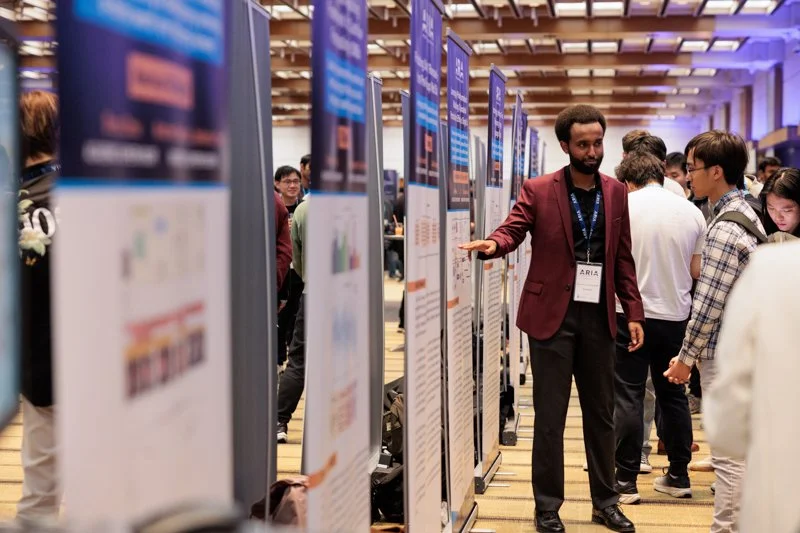
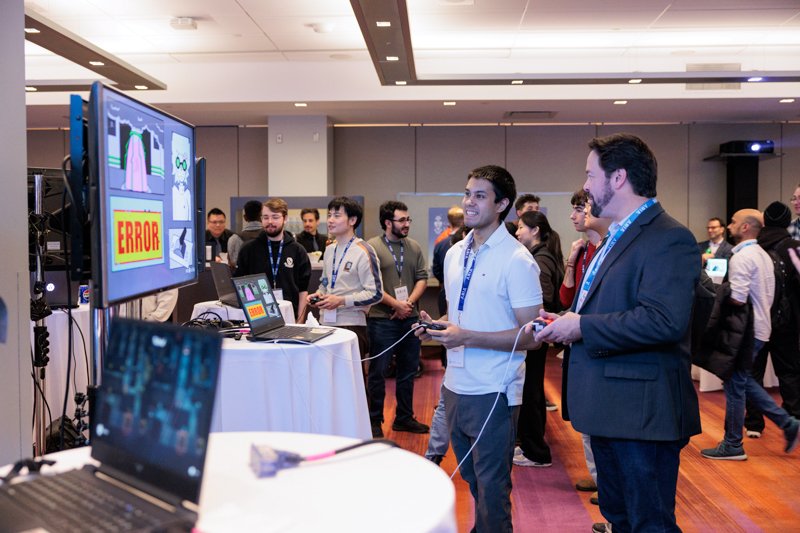
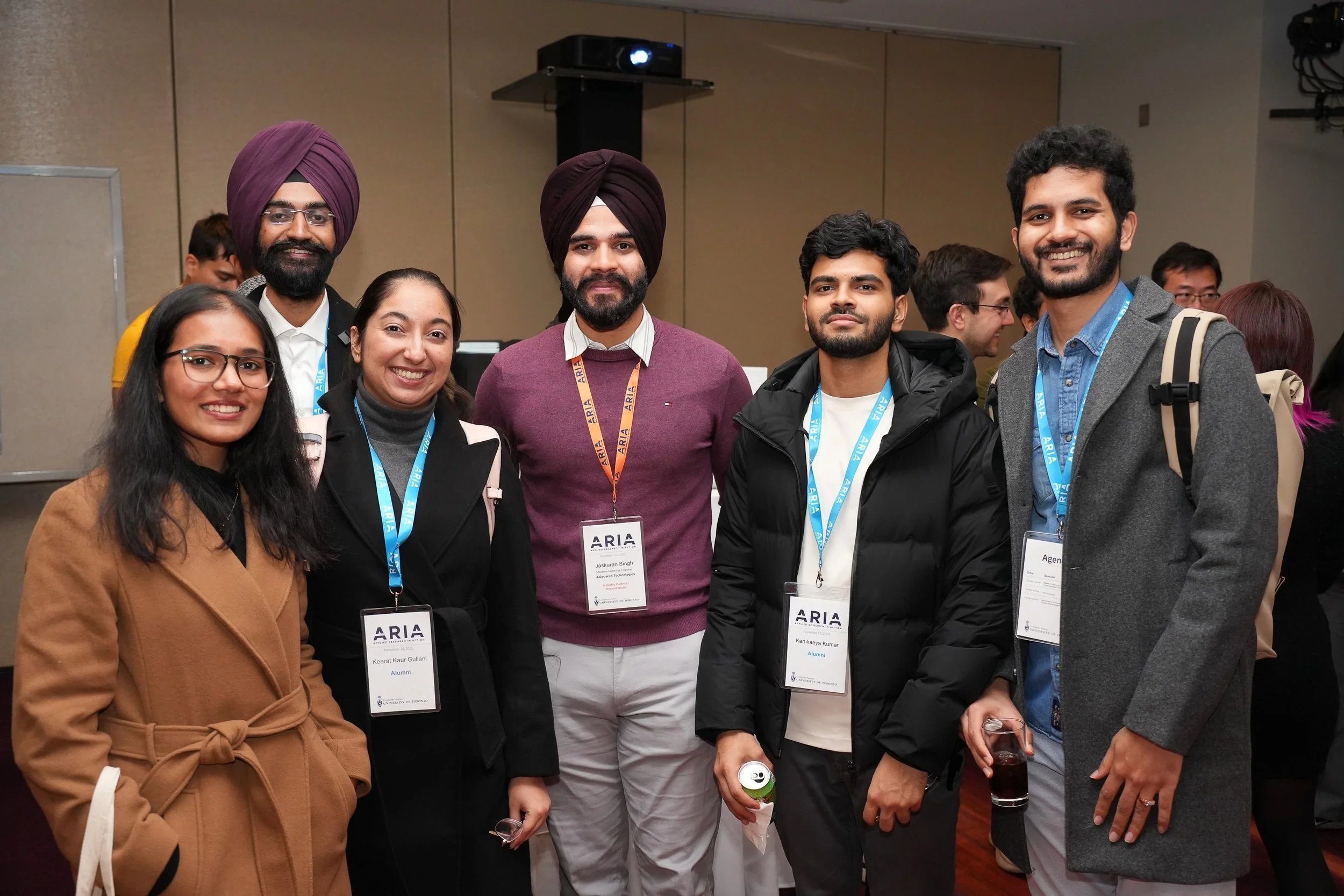
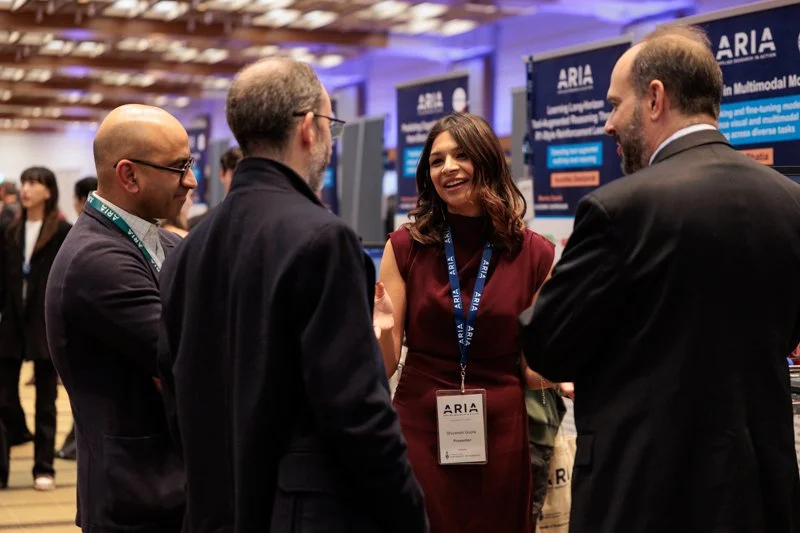
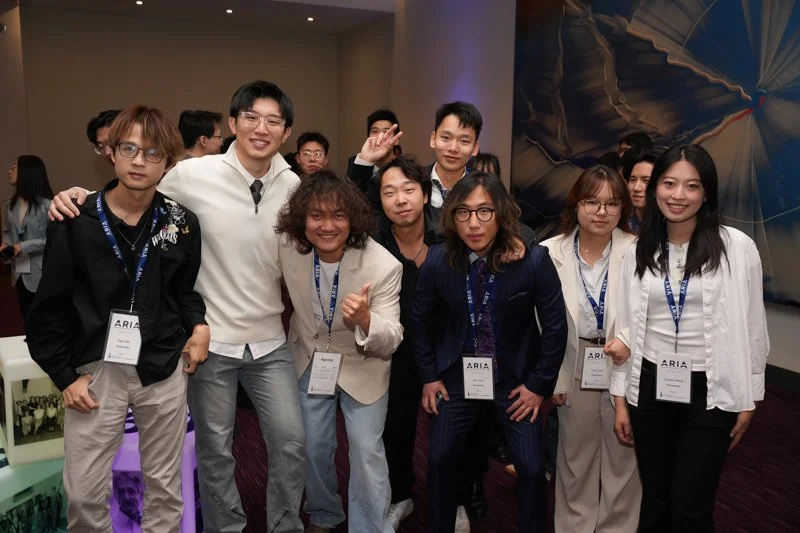
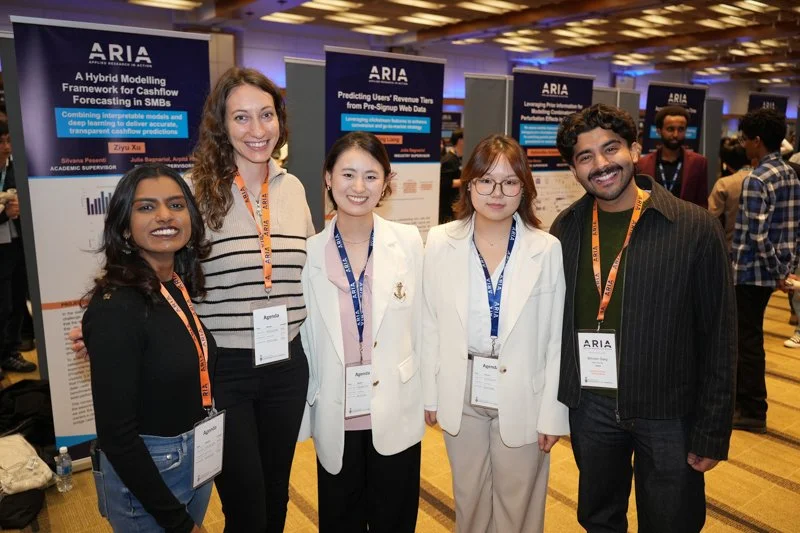
ARIA 2025 showed the Department of Computer Science is a hub for transformative ideas, where students and researchers at every level apply emerging technologies to real-world challenges. The projects highlighted trends shaping the future of tech, from responsible AI and cybersecurity to health innovation and large-scale data systems.
Industry exhibitors spanning sectors such as finance, gaming, health and enterprise AI showed how academic research and industry needs increasingly intersect. These collaborations underscored both the depth and diversity of work across the department and reaffirmed U of T’s role in shaping Toronto’s tech landscape and beyond.