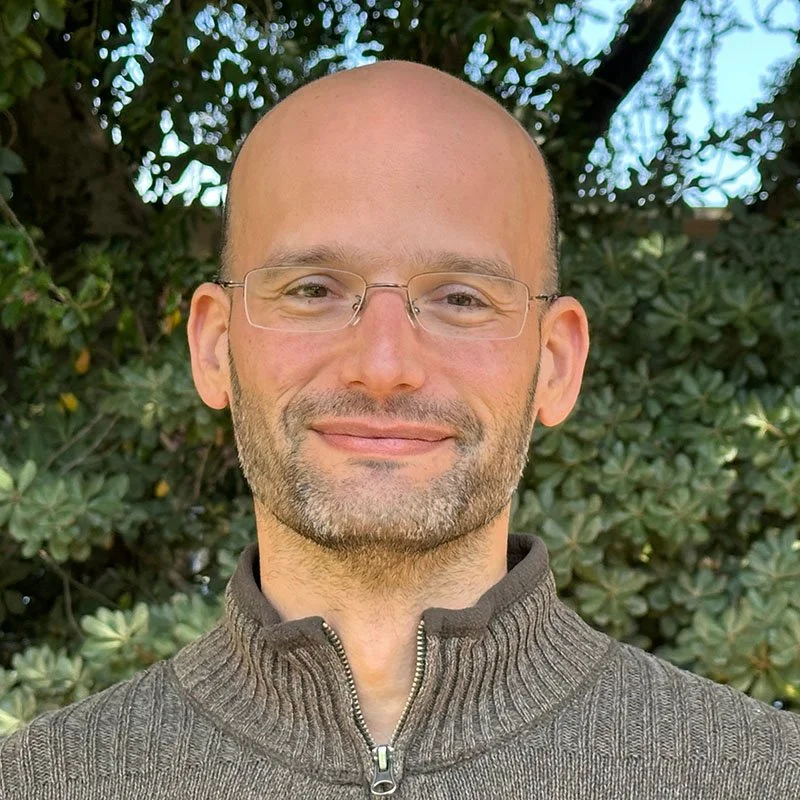
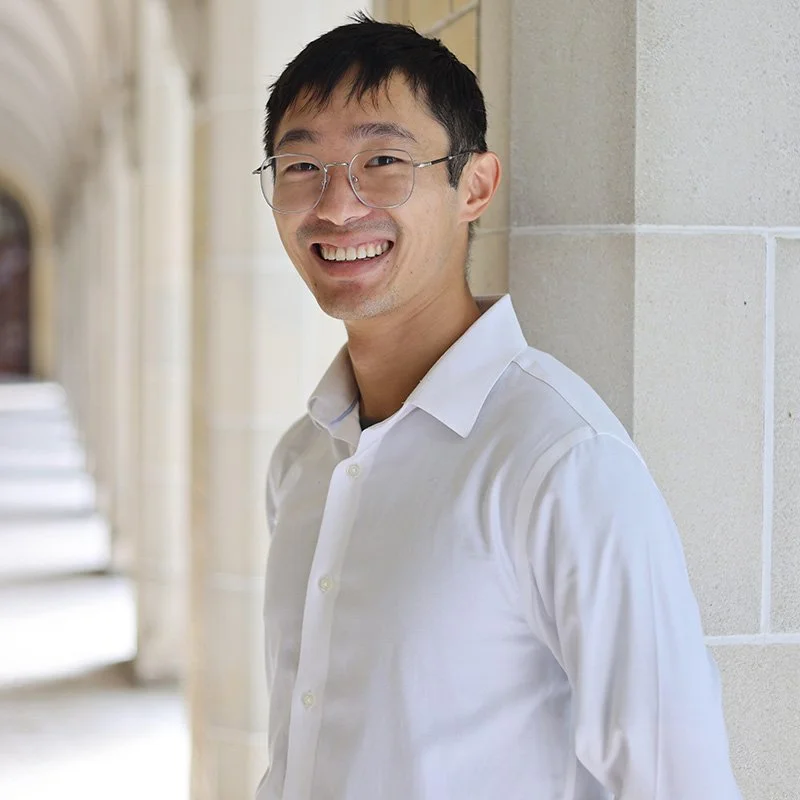
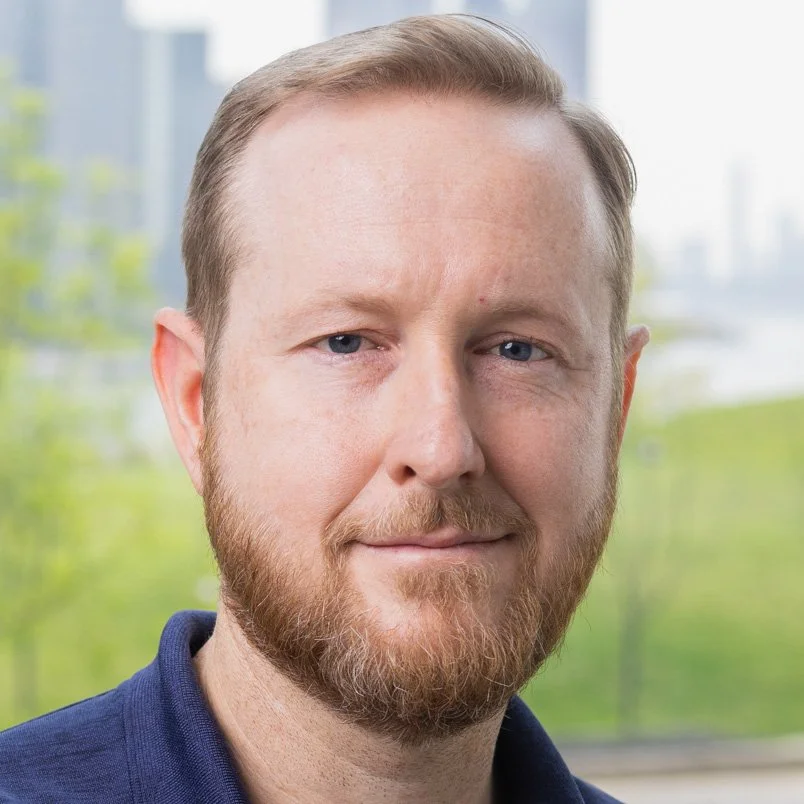
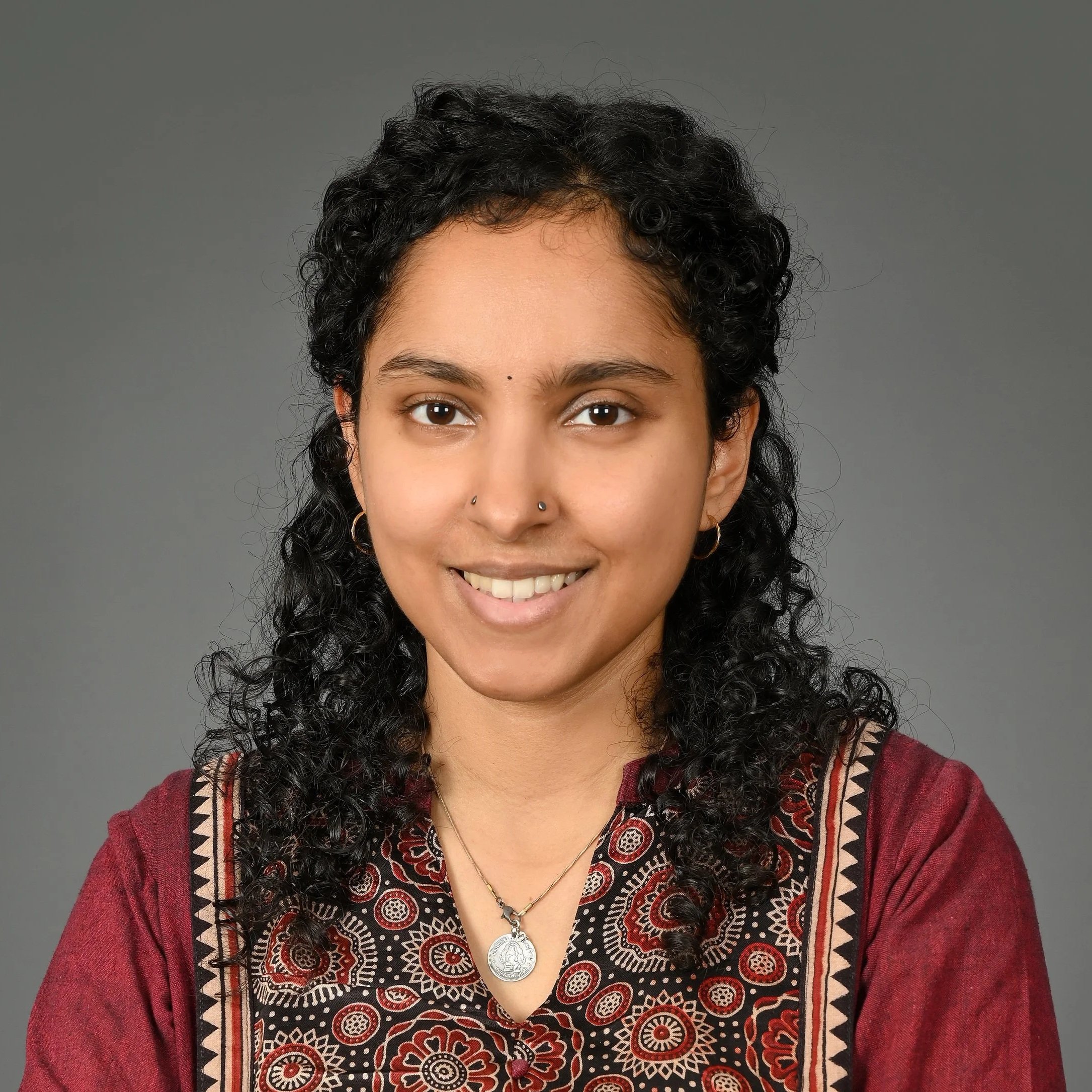
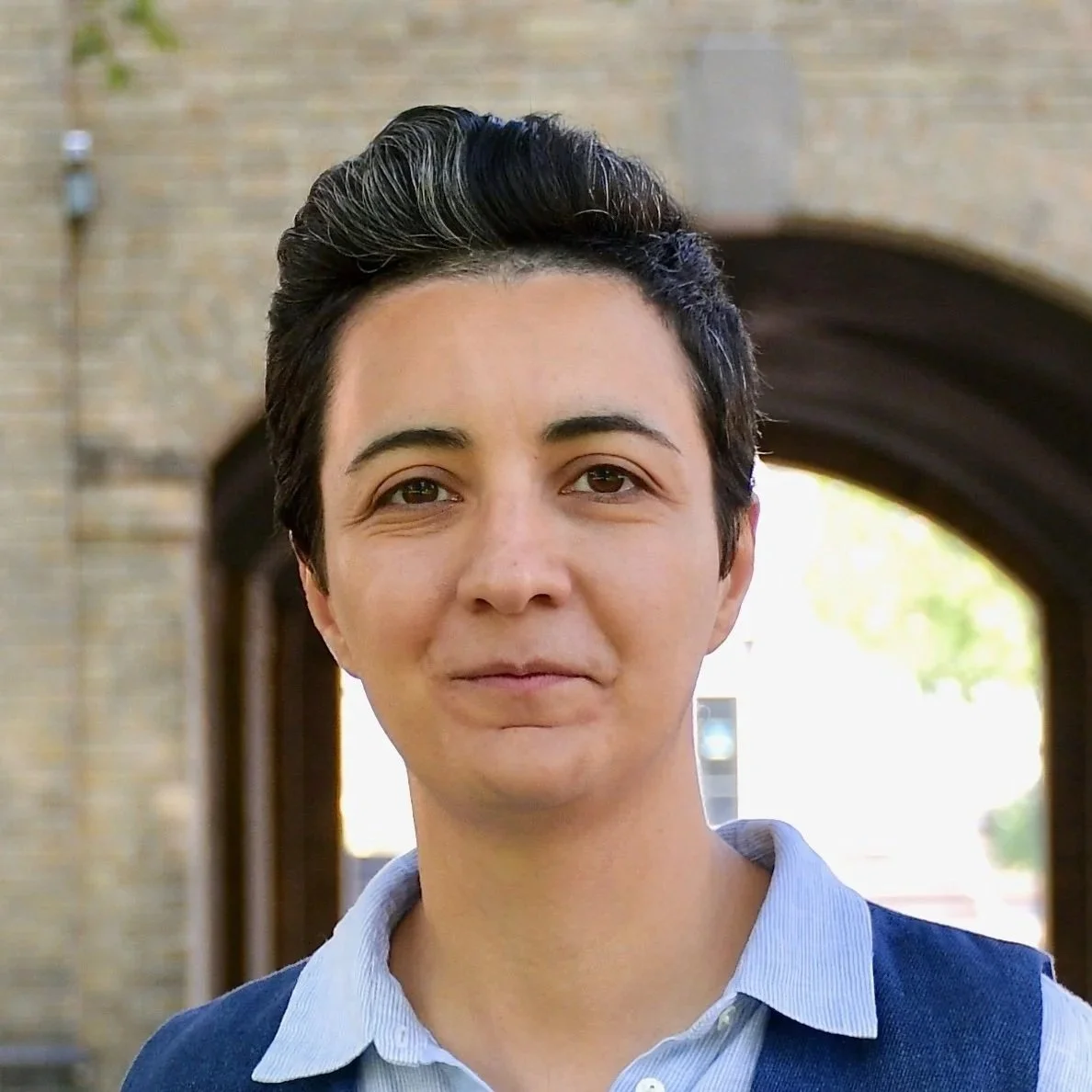
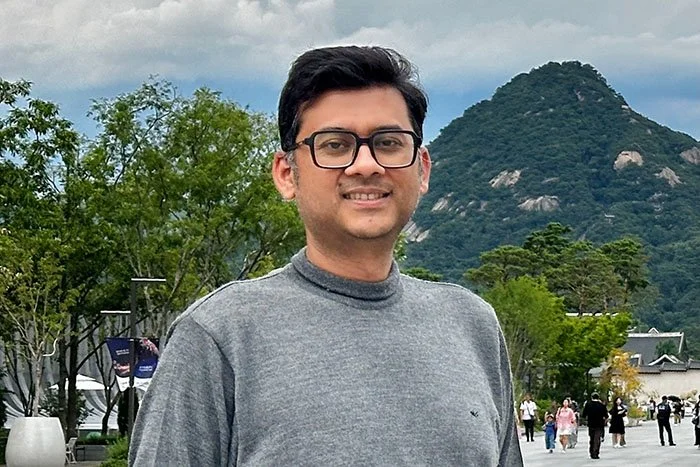
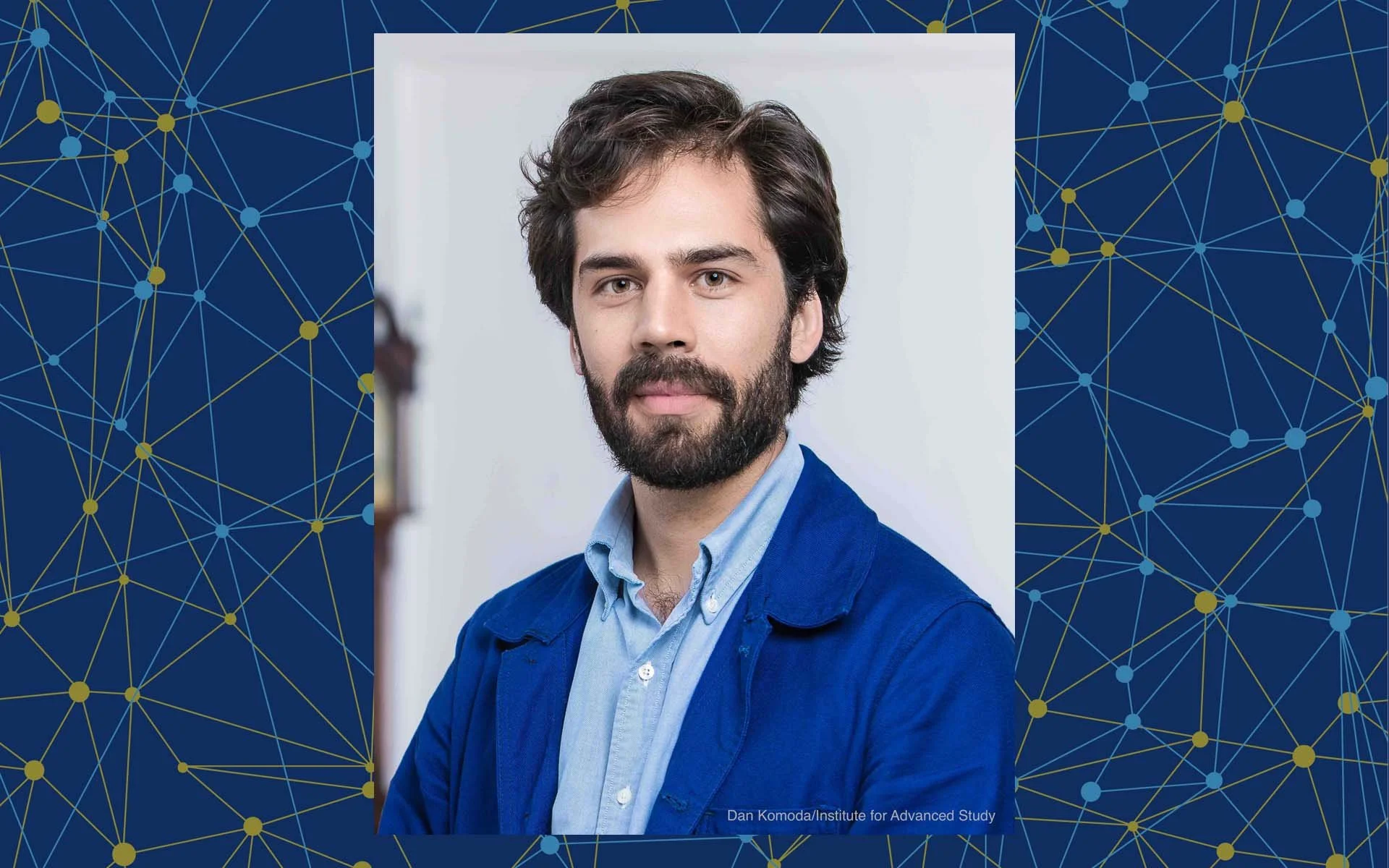
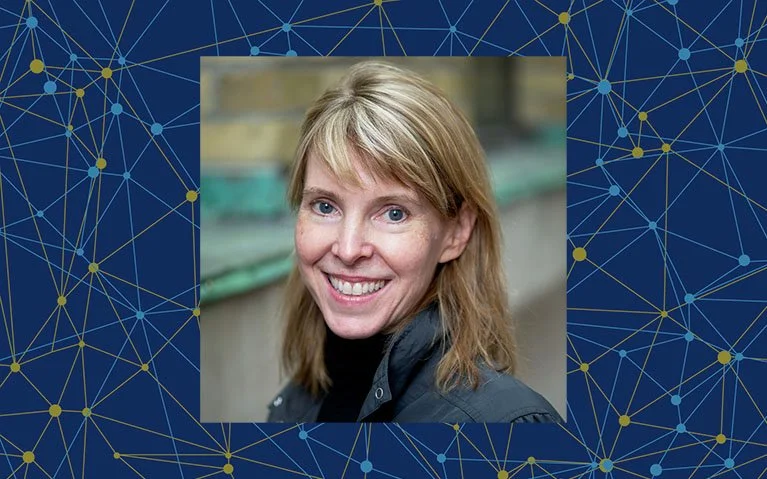
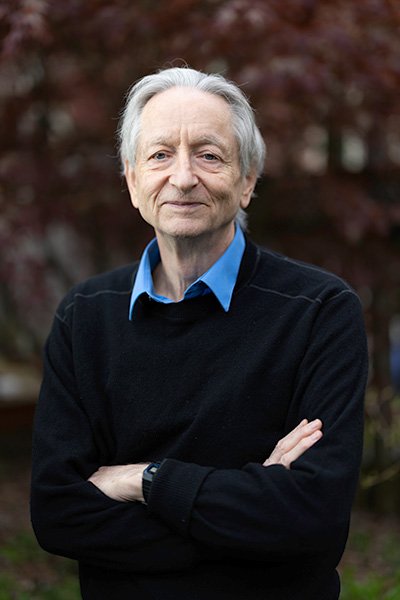
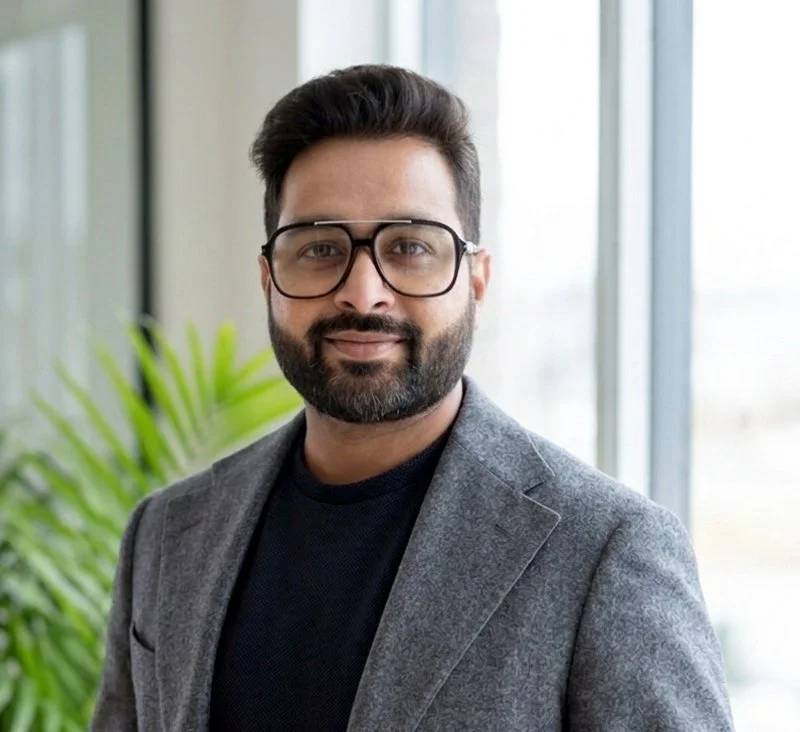
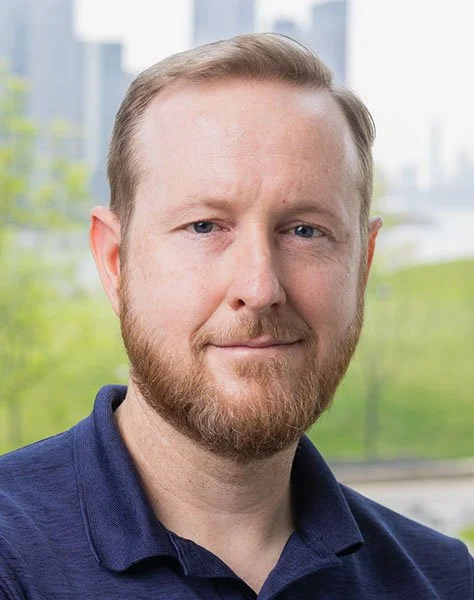
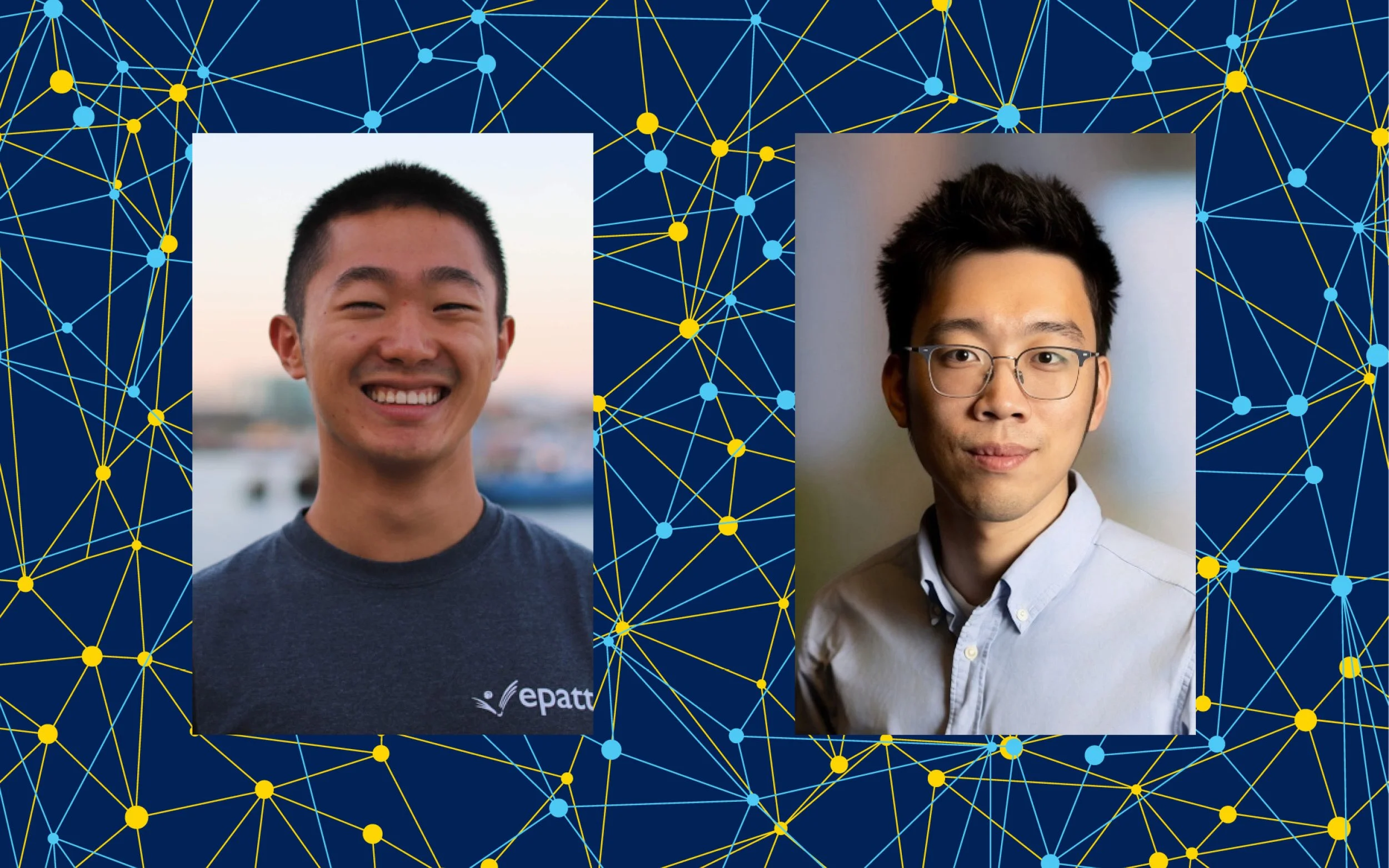
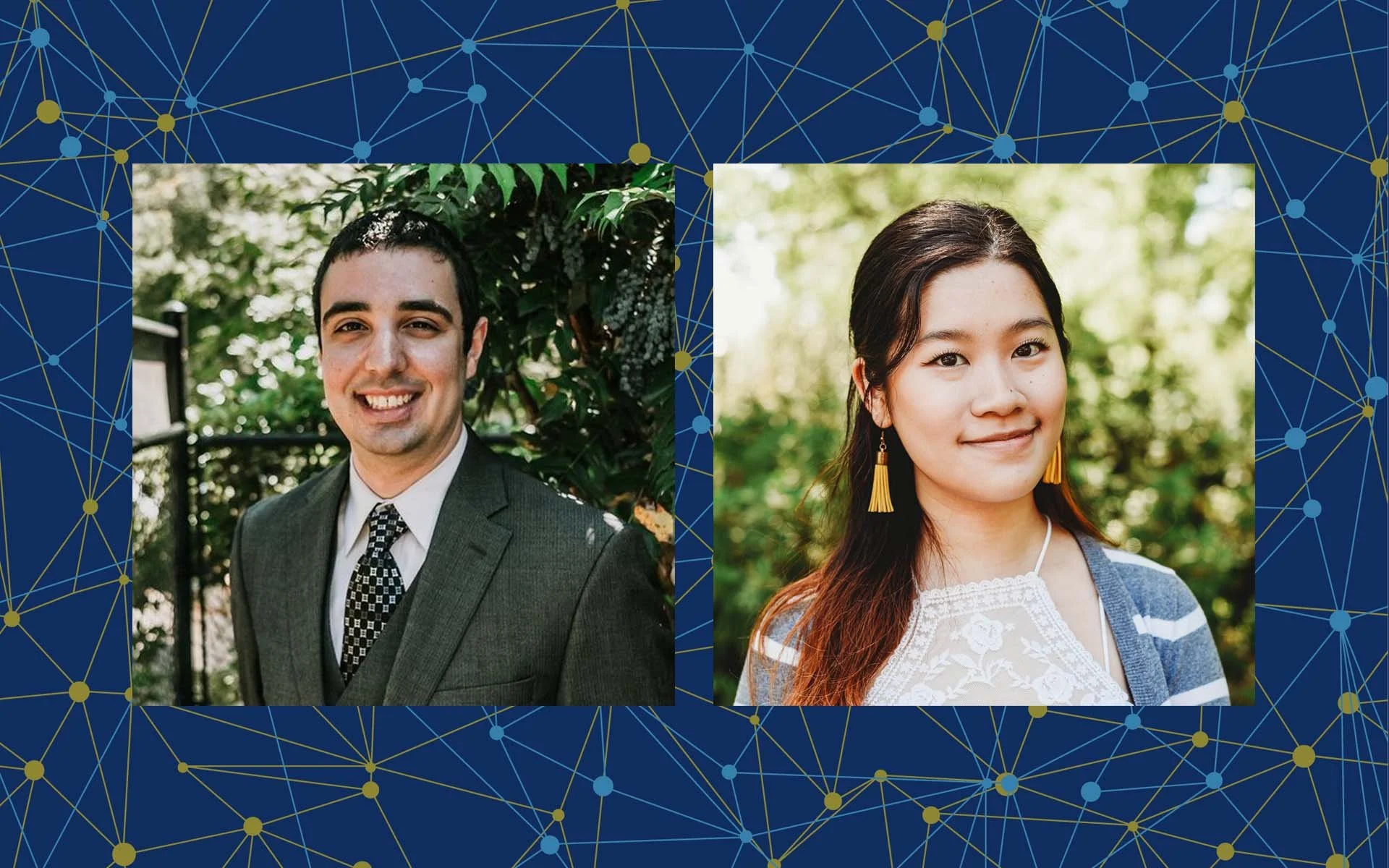
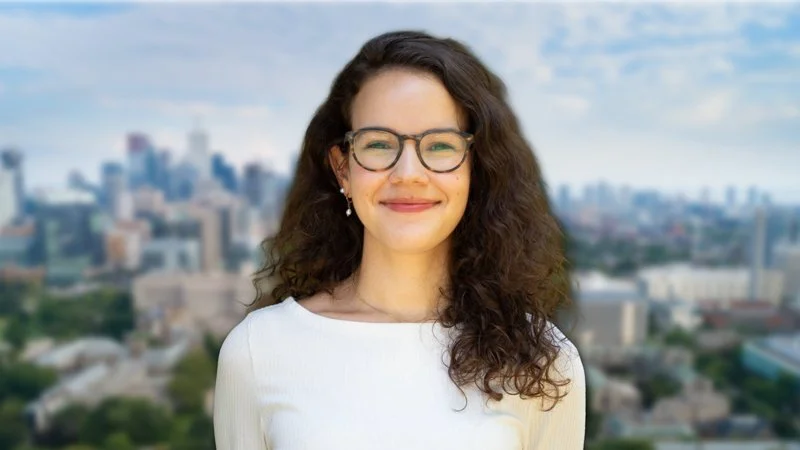
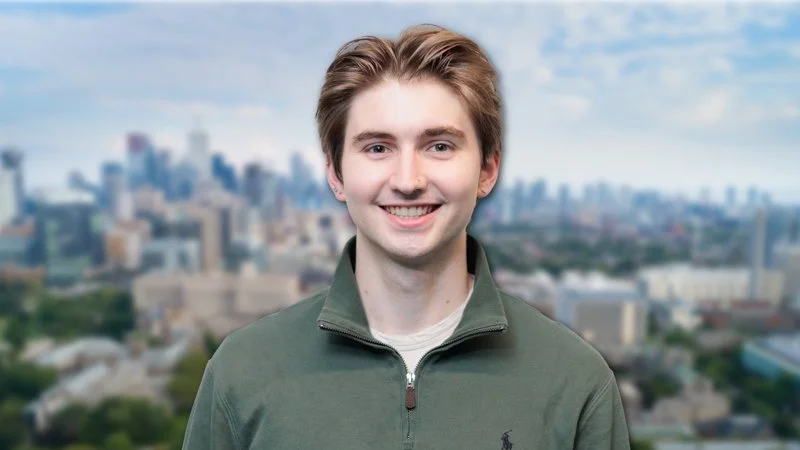
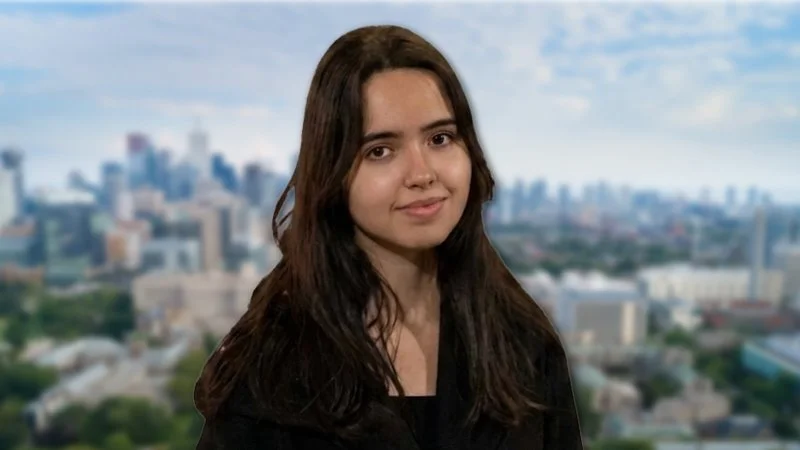
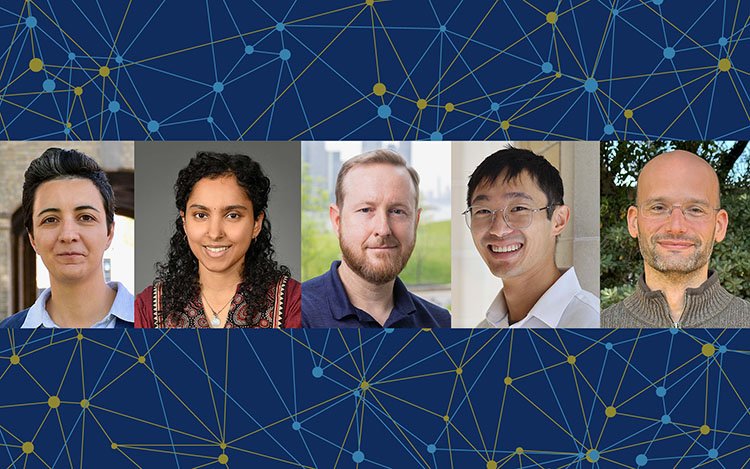
From computer science education to AI theory, quantum computing, security and theoretical computer science, get to know five faculty members who joined the Department of Computer Science in 2026.
Ohad Shamir’s research focuses on the theoretical foundations of machine learning with the goal of understanding how and why modern AI systems work and behave.
Harry Sha still remembers his first computer science class. The assignments felt like fun puzzles that required creative problem-solving. It was his first year at Stanford University, and he was convinced he would study psychology. When the second computer science class in the sequence introduced algorithms and Sha built a mini version of Google Maps, he walked away feeling empowered.
Thomas Ristenpart, a new professor in the University of Toronto’s Department of Computer Science, has spent a decade researching interpersonal technology abuse. His work examines how technology is weaponized in situations of interpersonal violence — and how it can be redesigned to better protect people.
When Uma Girish presents her research on quantum computing, she often spends extra time explaining it — even to fellow computer scientists. Now an assistant professor in the research stream at the University of Toronto’s Department of Computer Science, Girish hopes to use her research and expertise to make quantum computing more accessible to peers without a background in the field.
For Bahar Aameri, teaching computer science is about helping students see past the complexity. As a new assistant professor in the Department of Computer Science’s teaching stream, she is also committed to creating more inclusive pathways into computing.
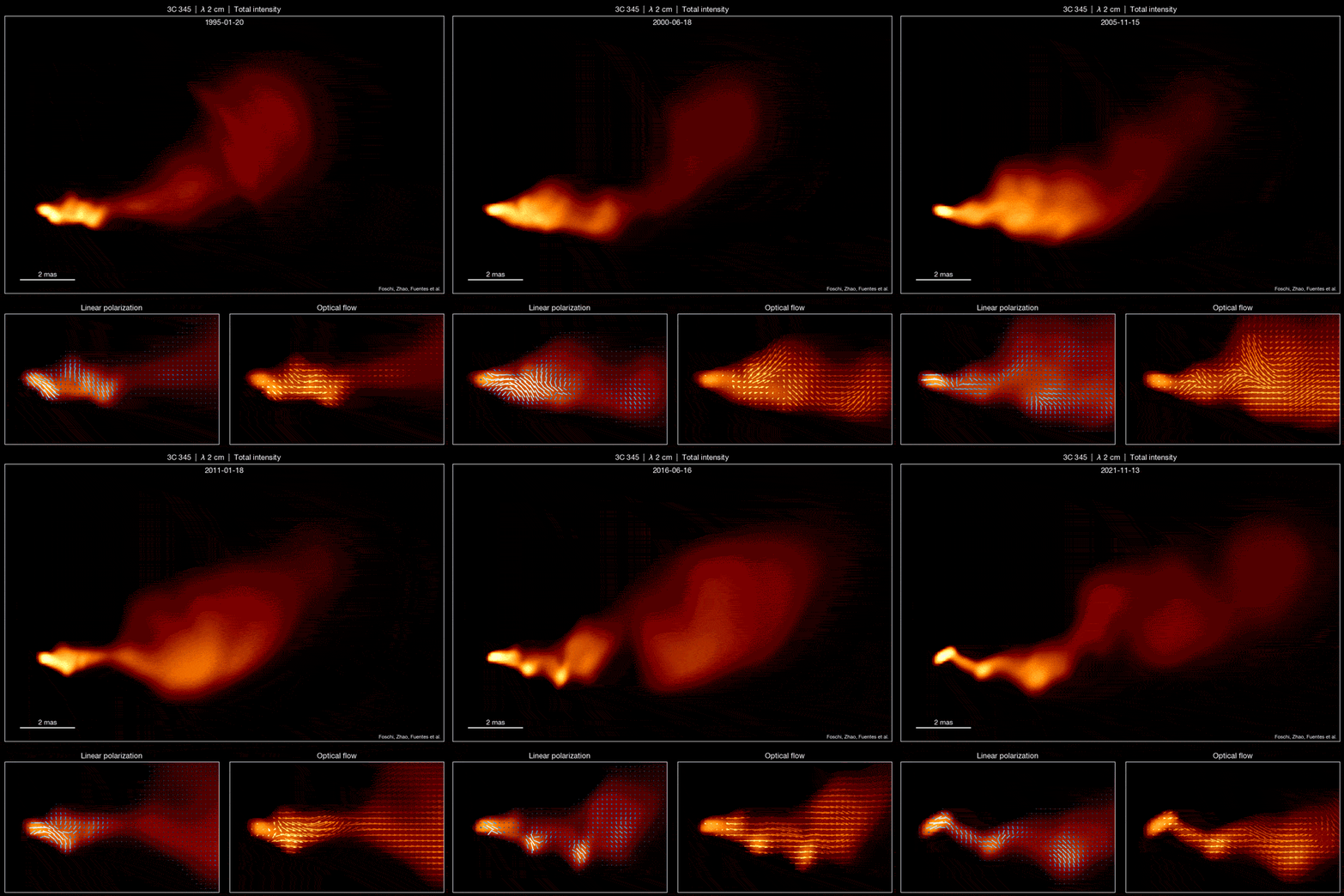
U of T's Aviad Levis helped develop an AI-driven method that turns nearly 30 years of telescope observations into a continuous video of a black hole's jet, with uses reaching well beyond astronomy.
Researchers at the University of Toronto have amassed hundreds of signatures on an open letter calling for improved AI safety protocols and oversight, warning that recent high-profile security incidents could foreshadow far more damaging failures without intervention.
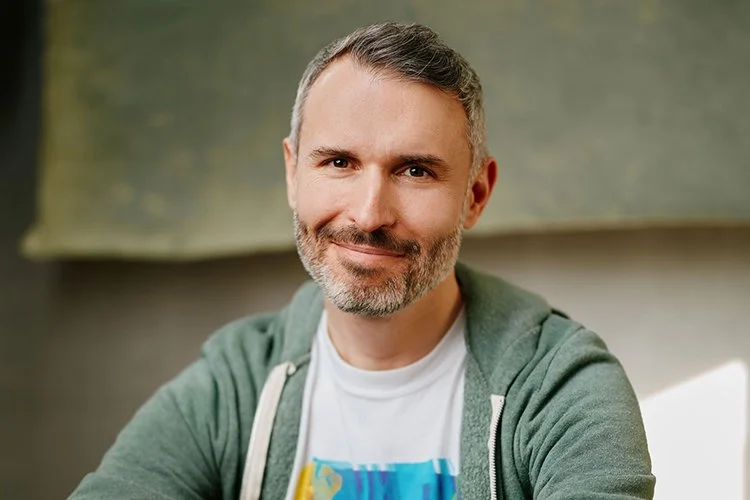
CS alumnus Ben Vinegar is the co-founder and CEO of Modem, an AI product management software startup.
Backed by a $1.8-million Wellcome Trust grant, Associate Professor Ishtiaque Ahmed's project brings together researchers and community health workers.
The U of T computer science faculty member has been named a 2026 AI2050 Early Career Fellow by Schmidt Sciences.
The 2002 research introduced a principled approach to agent technology that combined online services to accomplish complex tasks.
2024 Nobel laureate Geoffrey Hinton, whose pioneering work helped launch the AI revolution, is the namesake of new NSERC prizes supporting the next generation of AI-driven discovery.
In 2019, Vanguard began working with graduate students through U of T’s Master of Science in Applied Computing (MScAC). What started as a small set of projects has grown into a long-term research partnership focused on building and evaluating enterprise AI systems.
Research that explored a new AI security threat in 2016 was recognized for its lasting impact on the field.
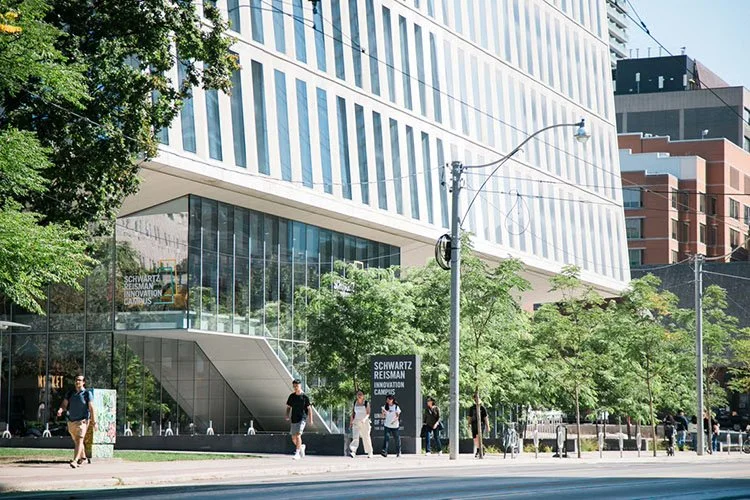
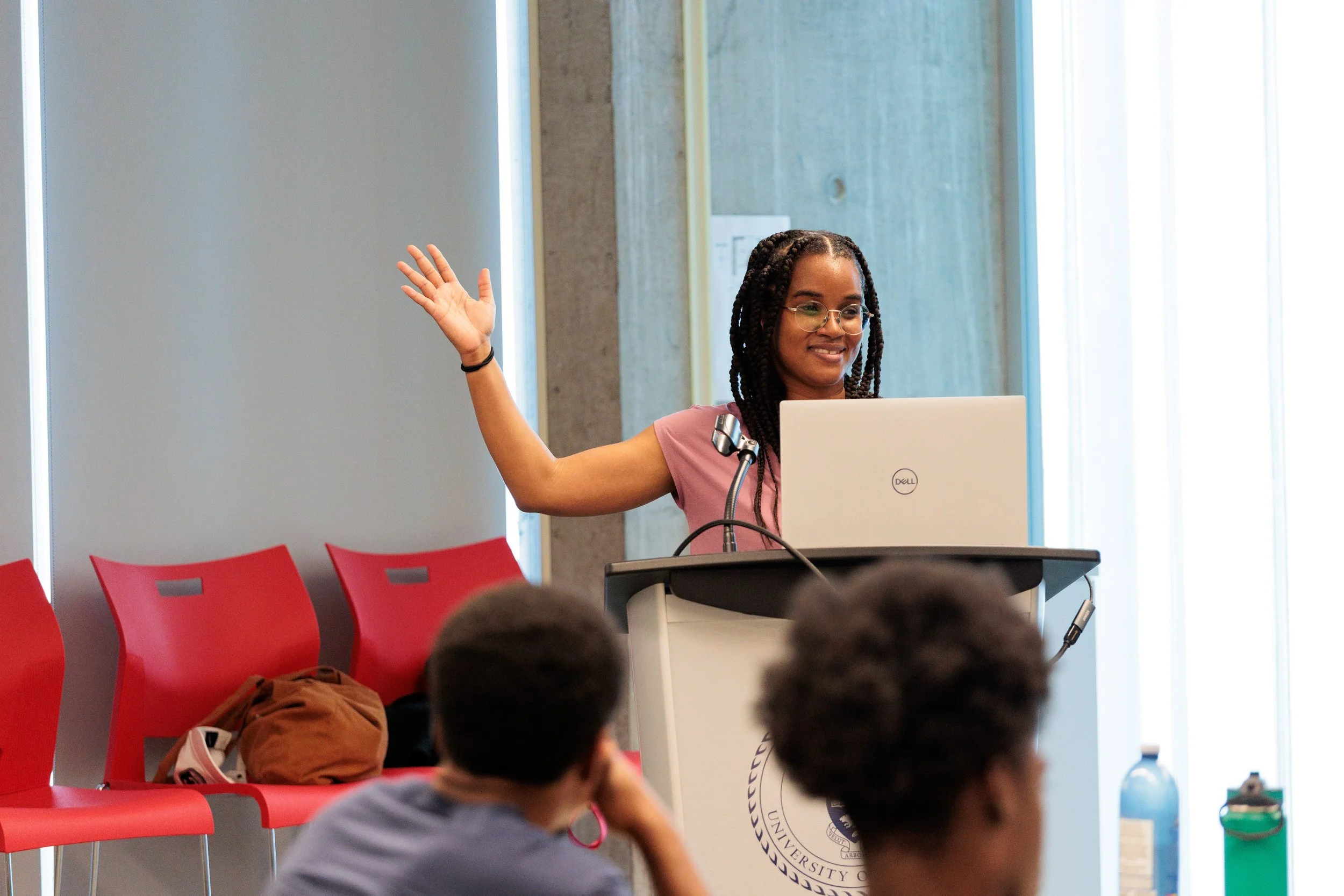
Thirty-four Black high school students from across Ontario filled the Bahen Centre for Information Technology from August 10 to 14 for the Computer Science Academy, a five-day research immersion course hosted by the Department of Computer Science in partnership with Leadership by Design (LBD).
A student-led project at the University of Toronto combines computer science and forensic science to give learners a rare chance to practice and experience the full investigative process — from crime scene investigation, evidence analysis, to expert witness testimony — in an immersive and engaging virtual environment.
For Harry Sha, exceptional teaching means inspiring lasting curiosity. For Pan Chen, it’s about helping students learn in ways that go beyond simply absorbing course content. Though their definitions differ, both University of Toronto computer science PhD candidates share a commitment to creating meaningful learning experiences.
Blue (Georgianna) Lin is the recipient of the 2025 Canadian Computer Science Distinguished Dissertation Award from CS-CAN | INFO-CAN.
A focus on health-oriented human-computer interaction (HCI) has shaped the research journeys between Associate Professor Alex Mariakakis and his former PhD student, Blue (Georgianna) Lin. That shared trajectory is now reflected in their recognition at the 2026 Graphics Interface Conference.
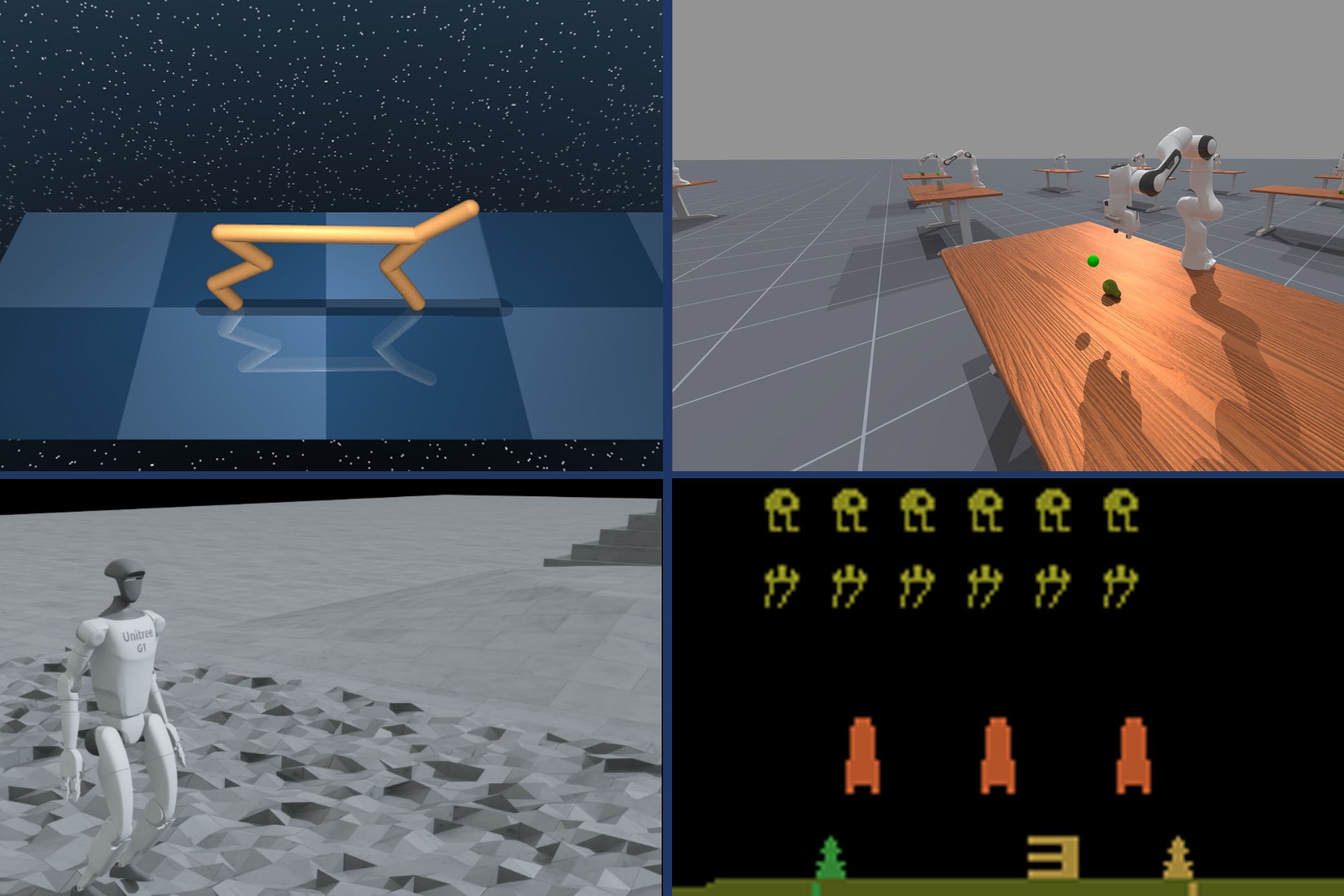
A team of researchers that includes Claas Völcker and Igor Gilitschenski from the University of Toronto developed REPPO, a new AI training method that improves speed, reliability and efficiency for reinforcement learning systems used in robotics and autonomous technologies.
U of T’s student-led capture-the-flag team has risen to the top ranks of global cybersecurity competition, combining international success with a commitment to building practical cybersecurity skills and community on campus.
Assistant Professor, Teaching Stream, Alice Gao earned the Faculty of Arts & Science Outstanding Teaching Award — Early Career for creating supportive learning environments that help students build confidence resilience and lifelong learning skills.
Through her leadership with UTMIST, Jessica Chen created opportunities for students to explore new interests and build confidence in computer science.
Blending creativity with computer science, Helena Glowacki explored human-centred technology through research, storytelling and artistic practice.
With a focus on interdisciplinary research and environmental applications, Jacob Klimczak explored how computer science can help address global challenges.
As an ambassador, Raghav Sinha supported students across their CS journeys while applying his skills at the intersection of data, economics and technology.
A student leader dedicated to building supportive communities, Pratibha Thakur helped shape student life in computer science through her work in CSSU and WiCS.